
 LOGIN
LOGIN


 Tip!
Tip!Click on one of the pictures to view all pictures on the page in a gallery.
Jerusalem

Mount of Olives
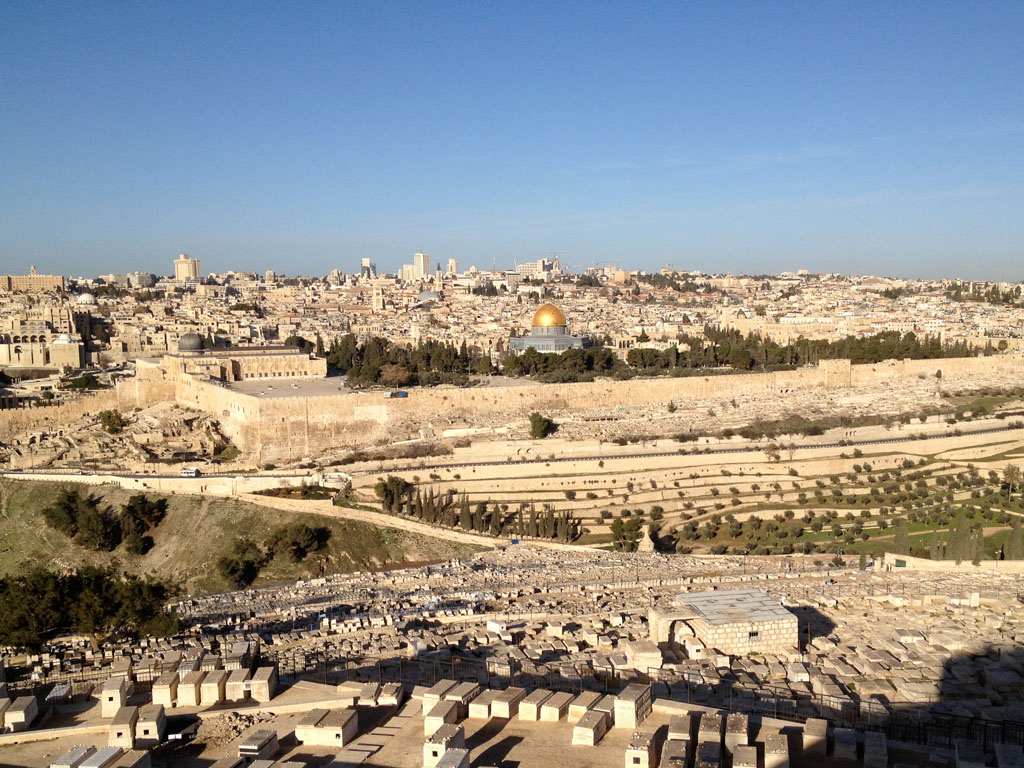


Jews began burying their dead on the hill that later became known as the Mount of Olives about three millennia ago. It was a convenient site a short walk from the city walls. Over the centuries, burial here became linked to a prophecy in the Book of Zecharia according to which the Messiah would approach Jerusalem from the mount, splitting it in two. Those interred on the hill, this belief posited, would be the first to be resurrected.


Siloam pool
As recently as 2004 the site of the Siloam pool was found in the Old City of Jerusalem.

Paintings at the site of the Siloam pool excavations showing how the site could have looked at Jesus time.

A painting on the wall by Mural shows what the pool of Siloam might have looked like.
Western Wall

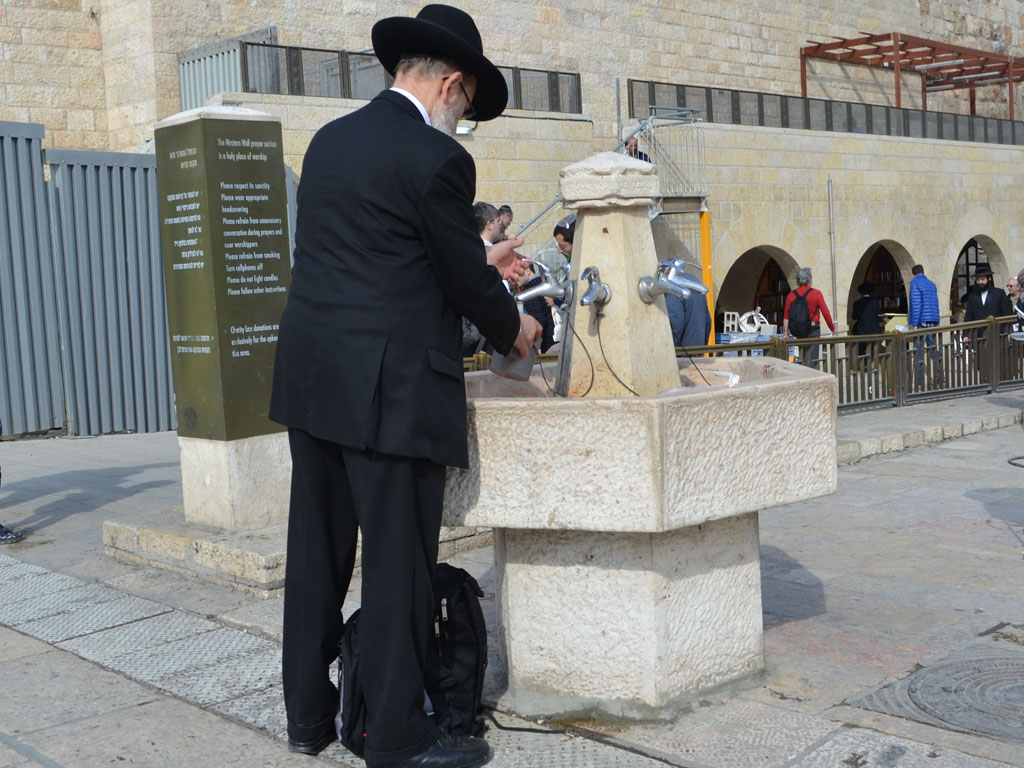


Jewish Quarter
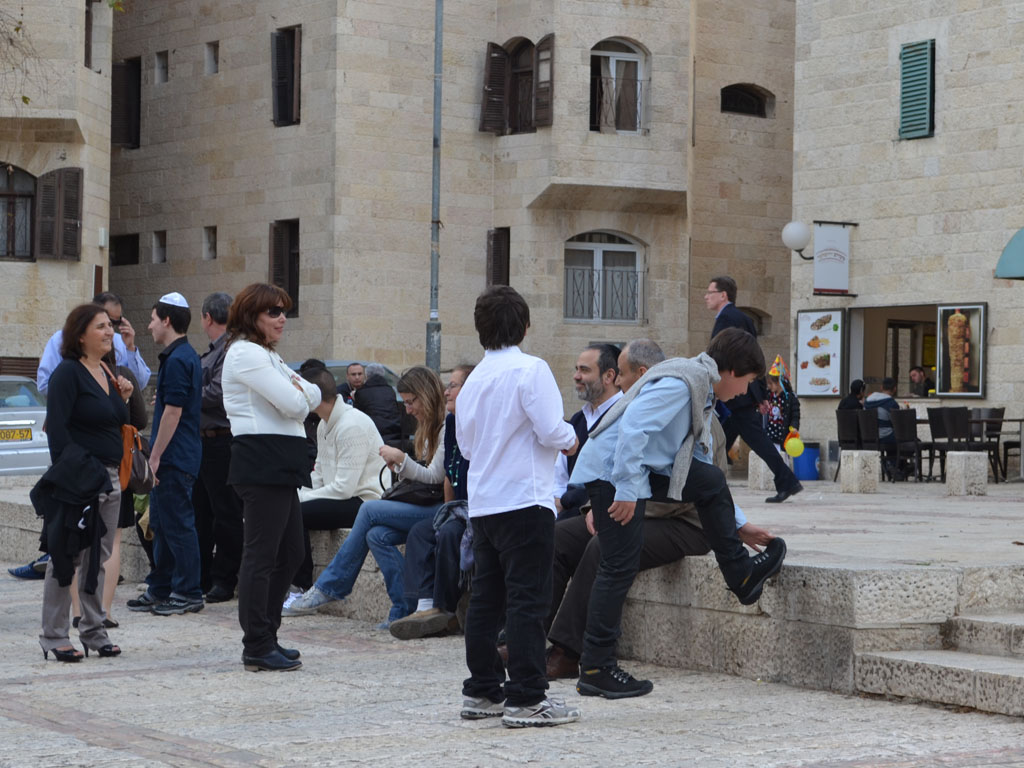
The Cardo - Roman main street
In the old city is a reconstruction made of how the main street (cardo, heart in Greek) could have looked at the 5th hundred century. In the city Madaba in Jordan was a large mosaic map found. In the center is Jerusalem. The main street (cardo) who runs through the whole city is clearly visible with its pillars.


A small replica of the Madaba Mosaic Map that was found 1896 in Jordan. It shows how Jerusalem looked like during the period 542 and 570 AD.


Jesus warns about a place called hell, where their worm never dies and the fire is never quenched. (Mark 9:47b-48)


First temple
David prepared for the first temple and his Salomon was the one who built it on the Temple Mount (Mount Zion) 1006 B.C. It was destroyed by Nebuchadnezzar II after the Siege of Jerusalem 587 B.C.


The Garden Tomb (Gordons Golgotha)
The Garden Tomb or Gordon´s Calvary is just outside the city walls and close to the Damascus Gate, is a rock-cut tomb considered by some to be the site of the burial and resurrection of Jesus. It is a nice garden where there is a tomb, winepress and the hill that looks like a skull.

It could have been a similar rock-cut tomb that Joseph of Arimathea owned and buried Jesus in.

He is not here - he is risen! 8th–7th centuries BC.[1] The re-use of old tombs was not an uncommon practice in ancient times, but this would contradict the biblical text that speaks of a new, not reused, tomb made for himself by Joseph of Arimathea (Matthew 27:57-60, John 19:41).
It could have been a similar rock-cut tomb that Joseph of Arimathea owned and buried Jesus in.


The crowded street uutside Gordons Golgatha in the morning before an easter service.

Temple Mount
The Temple Mount is a holy place for both Jews, Christians, Roman paganism, and Islam. The site is the location of Abraham´s binding of Isaac, and of two Jewish Temples. According to Jewish tradition it was here God created Adam.

The pinnacle of the temple might be the south east corner of the temple area, and could be the place which the devil took Jesus and tempted him.


During the building of the underground mosque thousands of tons of ancient fill from the site have been dumped in the Kidron Valley where Israeli archaeologist have found remains from as early as the First Temple period.
Golden Gate (the east gate)
The Golden gate is located on the east walls of the old city of Jerusalem, leading to the temple mount. It is regarded as a Holy site for all faiths - Jewish (arrival of the Messiah) and Christian (entrance of Jesus on Palm Sunday) and Muslim (site of future resurrection). The current gate was built in the 6th/7th C AD over the ruins of the second temple gate, and sealed since the 16th C.


Botanic Garden
Botanic garden in West Jerusalem. Along the Bible trail are many of the spices found in the Bible.

The view from Abrahams tent could have been something like this. The picture comes from Jerusalem Botanic garden.

Beautiful Gate
A possible location is the Double Gate in the southern wall of the Temple Mount.

Bethesda pool

Broad Wall

Gethsemane

Download (1024x768)
FOTO: FreeBibleImages.org
Gihon spring
Spring in Jerusalem where Solomon was anointed king.

Millo

Solomons porch
Solomon`s Porch was located on the inside of the eastern wall of the Temple Mount.

City of David
In the Old Testament Jerusalem is called the city of David because David conquered it, defeating the heathen Canaanite Jebusites who had inhabited that area. In the New Testament Bethlehem is referred to as the city of David in Lukes account of Jesus birth. We have no contradiction here. Both places correctly have this title - one because of David’s conquest, the other because of David’s origin.

Antonia Fortress (Barracks)

The Jerusalem Archaeological Park - Davidson Center


Israel Museum
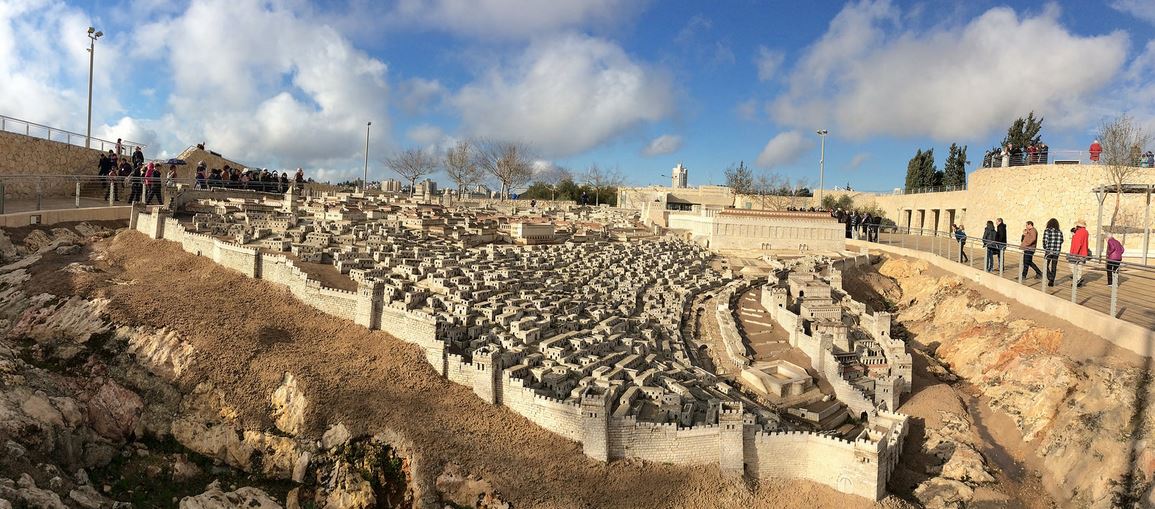
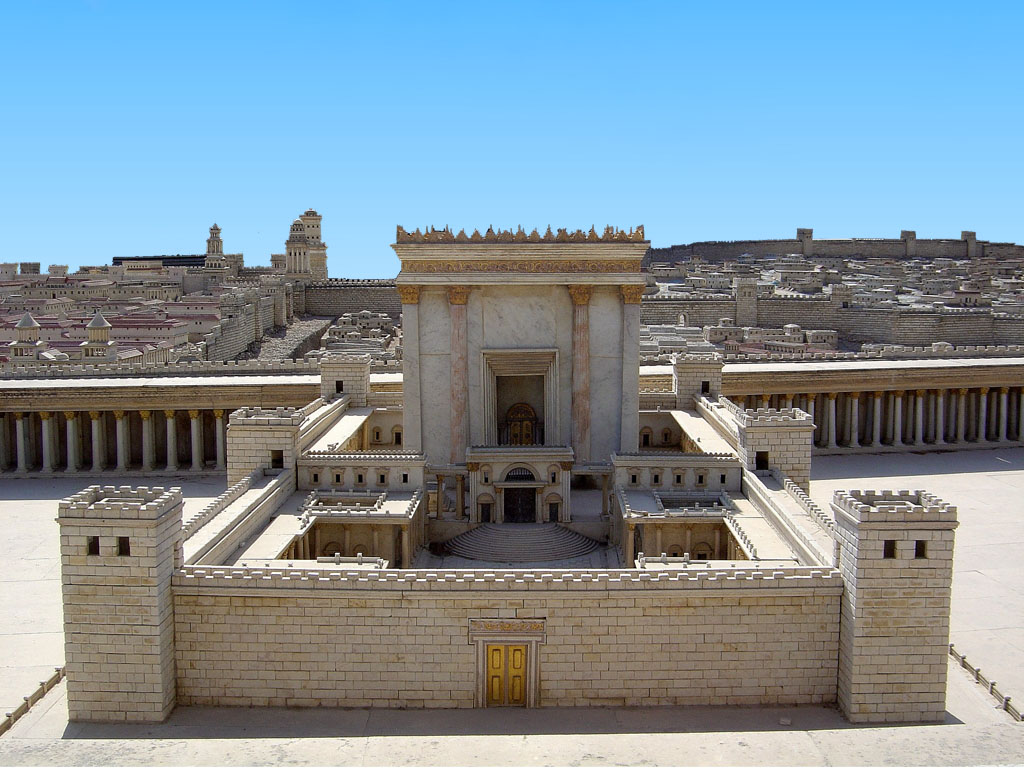
Second Temple Model (at Israel Museum)
The model recreates Jerusalem in 66 CE. In that fateful year, the Great Revolt against the Romans erupted, resulting in the destruction of the city and the Temple. The model took four years to complete and in 1966 the model opened to the public on the premises of the hotel and quickly became a popular attraction. In 2006 it was relocated to the Israel Museum.

Jerusalem viewed from South West. The large building to the left is the house of Caiaphas, the high priest.


Golgotha just outside the city wall. The Antonia fortress and the temple are seen in the background.
Download (1024x768)
FOTO: Tony Larsson
Golgotha just outside the city wall. The Antonia fortress and the temple are seen in the background.
Download (1024x768)
FOTO: Tony Larsson
Golgotha just outside the city wall. The Antonia fortress and the temple are seen in the background.
Download (1024x768)
FOTO: Tony Larsson


Jerusalem viewed from South West. The large building to the left is the house of Caiaphas, the high priest.


The Western wall at Jesus time. Robinsons arc in the south-west corner.
Download (1024x768)
FOTO: Tony Larsson


Want to use the photos?
If not noted Praisegate owns the photo and you are free to use it in powerpoint presentations, publications, webpages etc. If you want you can note that the photo came from Praisegate, but it is not needed - to share the Gospel and the name of Jesus is far more important than our name! For comercial usage please contact the photographer.