
 LOGIN
LOGIN


 Tip!
Tip!Click on one of the pictures to view all pictures on the page in a gallery.


Download (1024x768)
FOTO: Todor Trandev


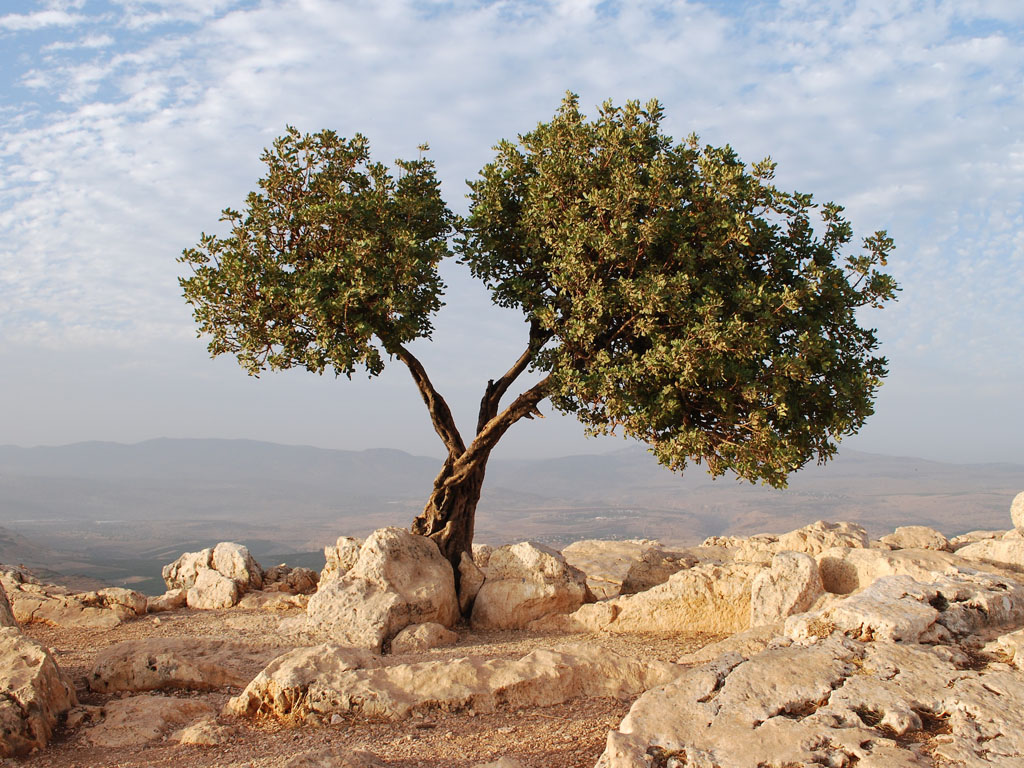
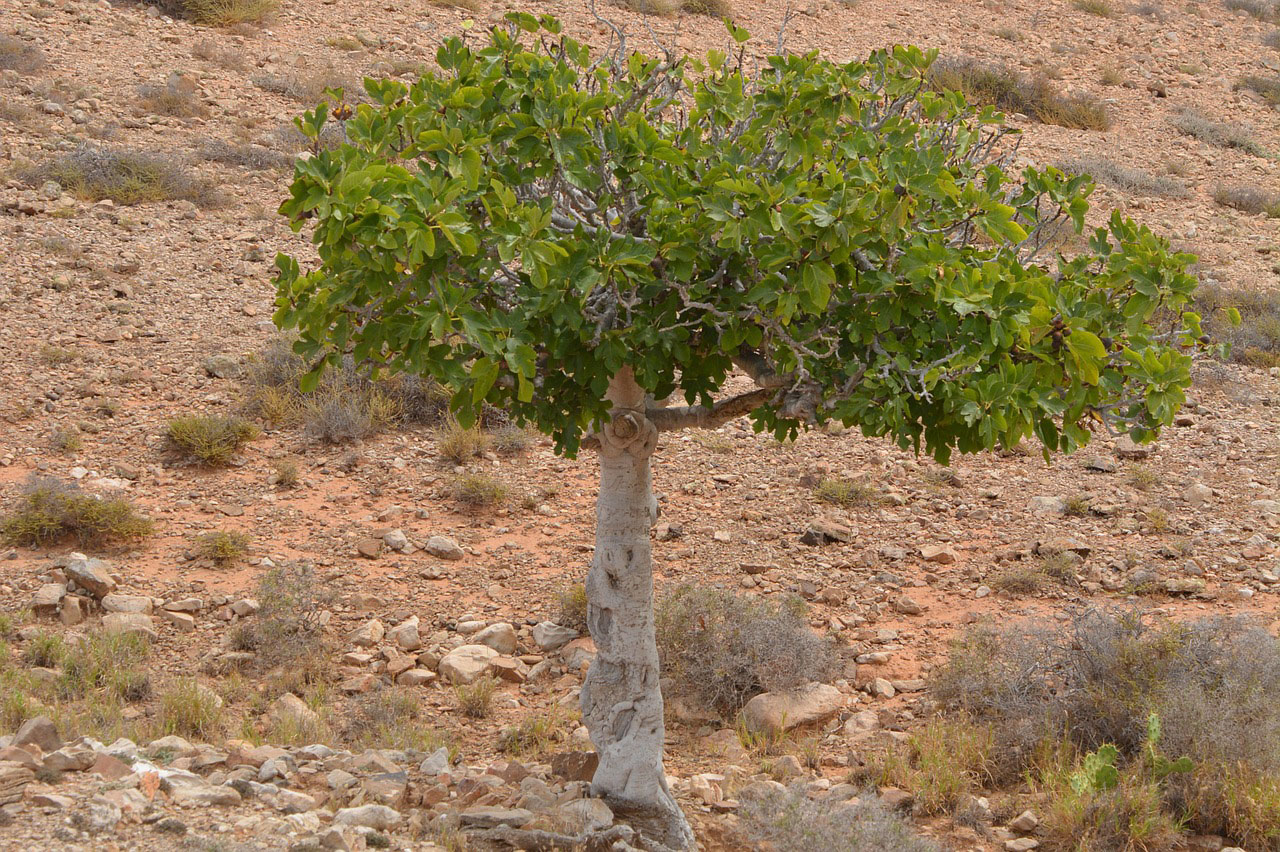
The Judas Tree, according to tradition was it this kind of tree that Judas Iscariot hung himself. The name of the tree is Cercis siliquastrum.

Ziziphus spina-christi, according to tradition the tree from which Jesus's Crown of Thorns was made


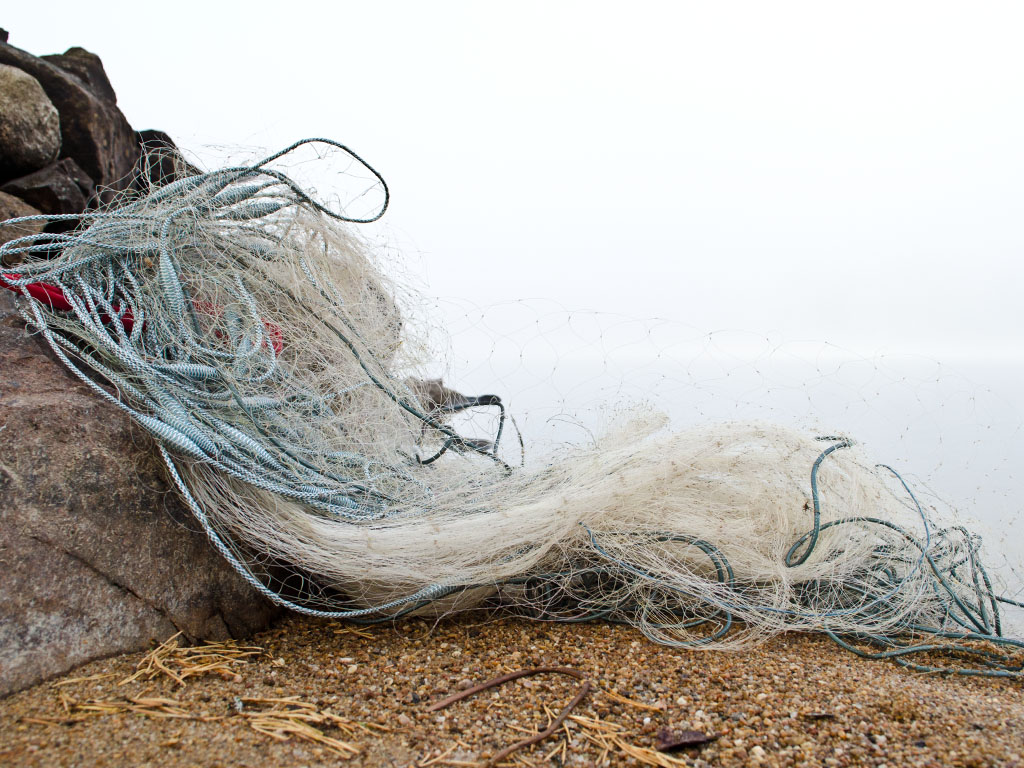

It was quiet during the breakfast with Jesus this morning, first after the meal Jesus breaks the silence.


Torso of a female dancer dressed in a thin garment (chiton). This Roman copy at the Altes Museum in Berlin goes back to a Greek original from 475-450 BC.


At the foot of Mount of Olives are still grave monuments from the time of Jesus. To the left tomb of Jacob and to the right the tomb of Zechariah.

Download (1024x768)
FOTO: Anders Wester

Download (1024x768)
FOTO: Anders Wester


Download (1024x768)
FOTO: FreeBibleImages.org

Download (1024x768)
FOTO: FreeBibleImages.org

Download (1024x768)
FOTO: FreeBibleImages.org

Download (1024x768)
FOTO: BiblePlaces.com

Download (1024x768)
FOTO: FreeBibleImages.org

Jesus uses the highest number and the highest currency when illustrating our debth toward God.
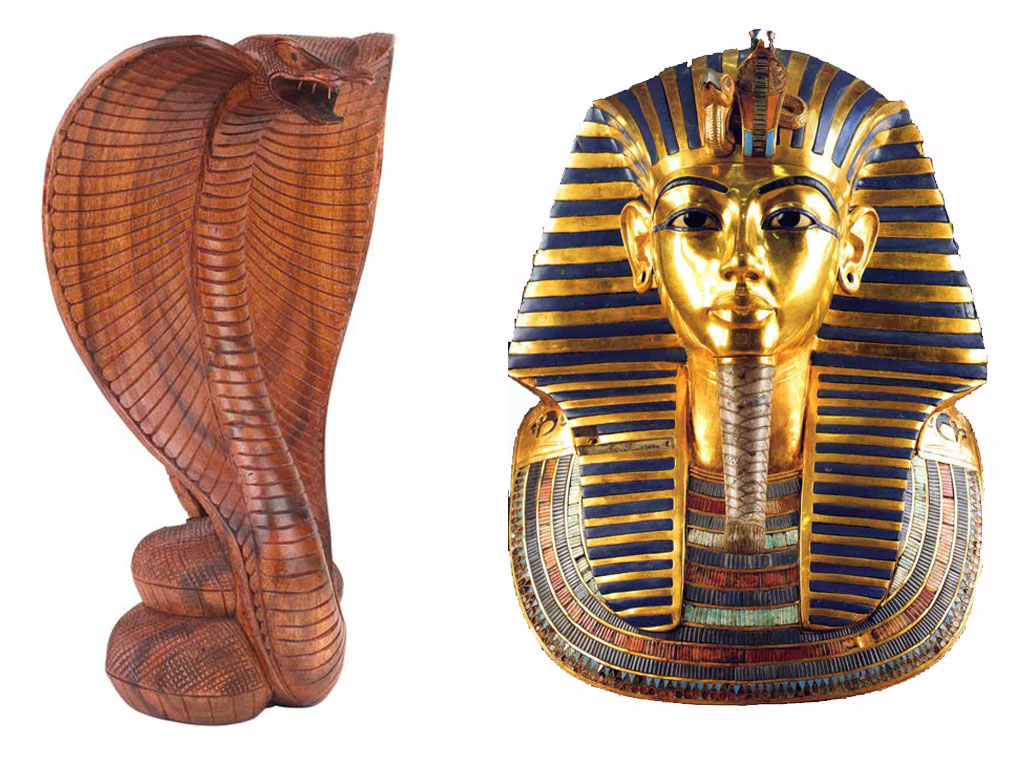
The cobra was a significant royal symbol in ancient Egypt. A rearing cobra, hood flared, ready to strike, was drawn and sculpted as an image called a uraeus, which refers to protection.

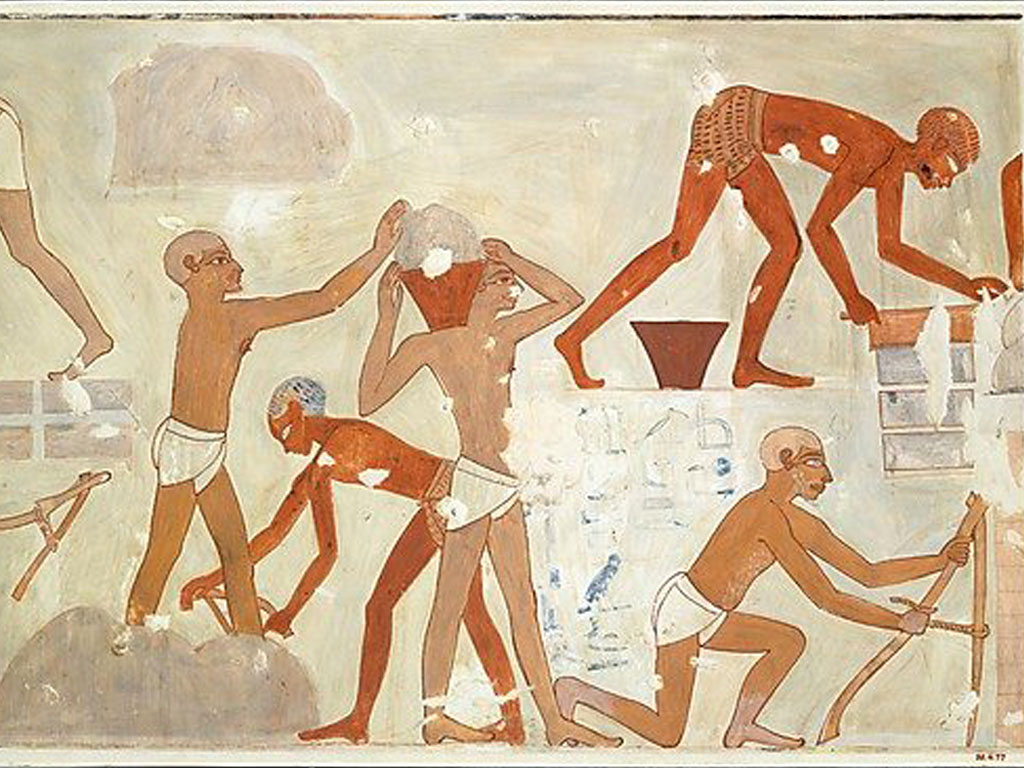
Painting from the tomb of Rekhmire. He was ancient Egyptian noble and official of the 18th dynasty who served as governor of a town. The painting descibes the process of making mud bricks.


Halfway along the east-west "Straight street" in Damascus was an roman arc found 1947 at a depth of 5 meters. It was rebuilt on todays ground level. The arc was built 65/64 B.C. and marked the crossing with the north-south main street in the town.


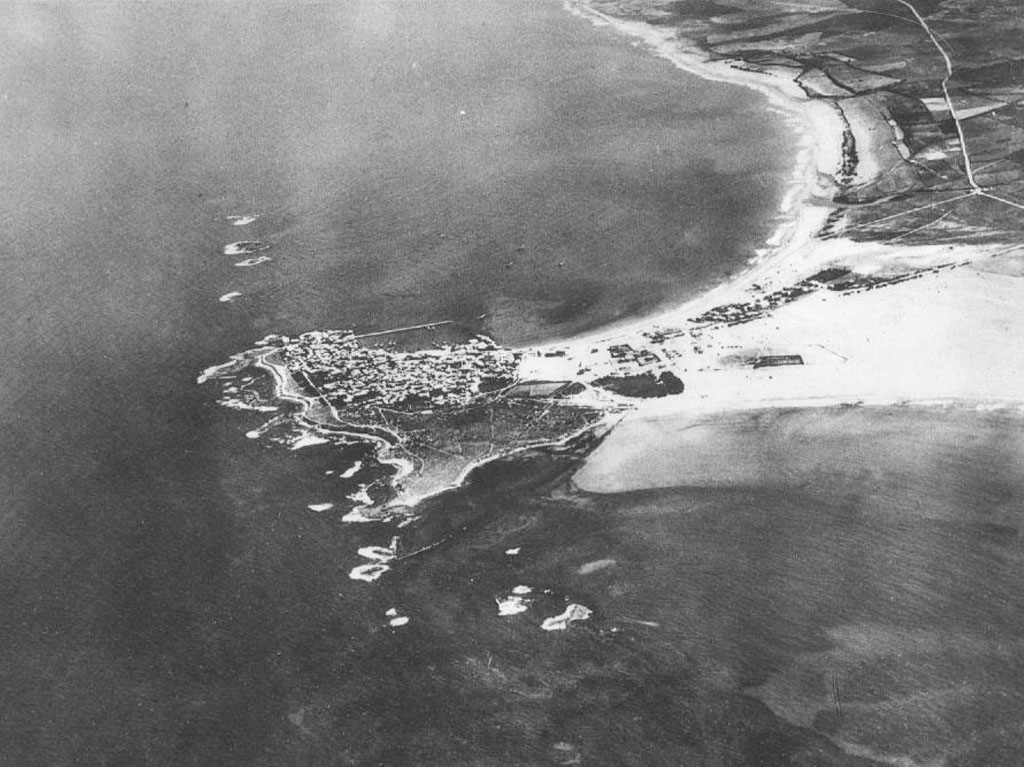
Still today parts of the Roman Road "Via Egnatia" still exists. It was here Paul, Silas, Thimoteus and Luke walked up to Philippi.


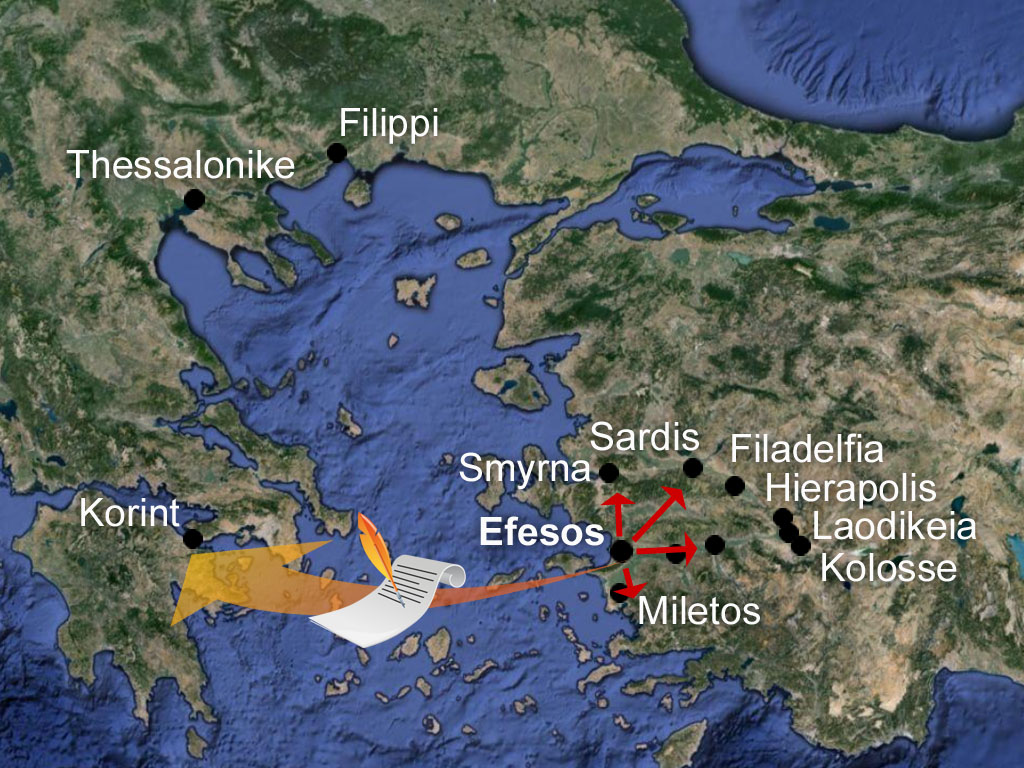




Download (1024x768)
FOTO: Templeinstitute


Iron handcuffs, chains, from the Roman Period. Archaeological Museum in Durrës Albania.


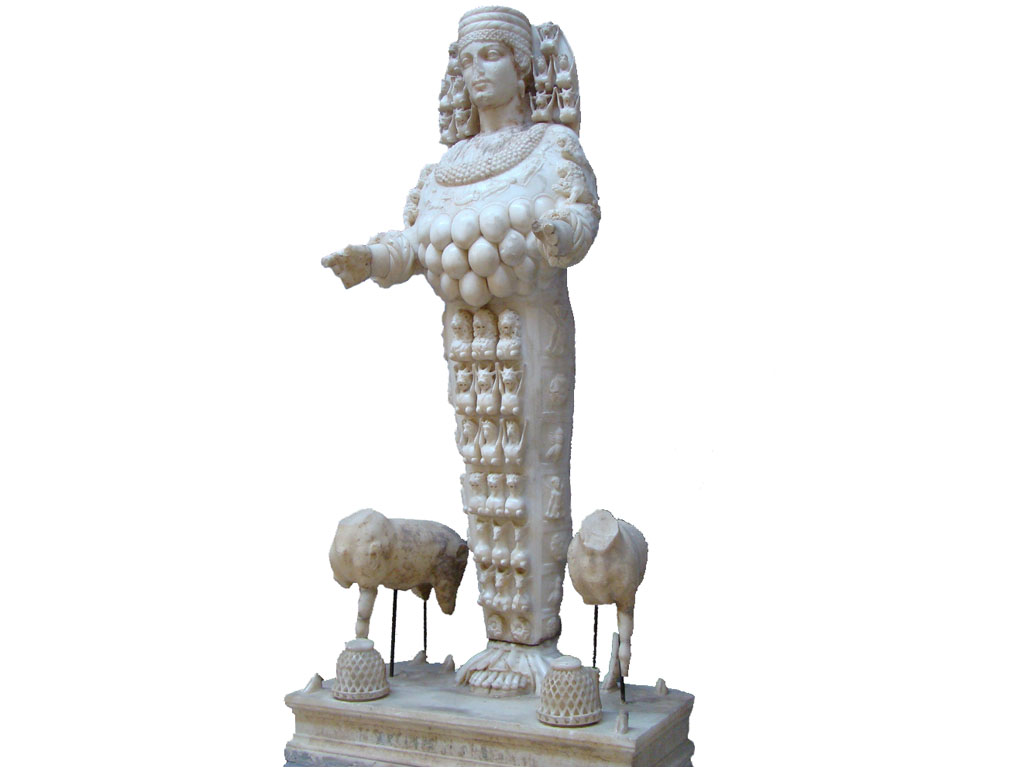


Det grekiska ordet "metamorfios" används för processen då en larv intar en ny form som en fjäril. På samma sätt ska vi låta våra tankar få förvandlas och förnyas.
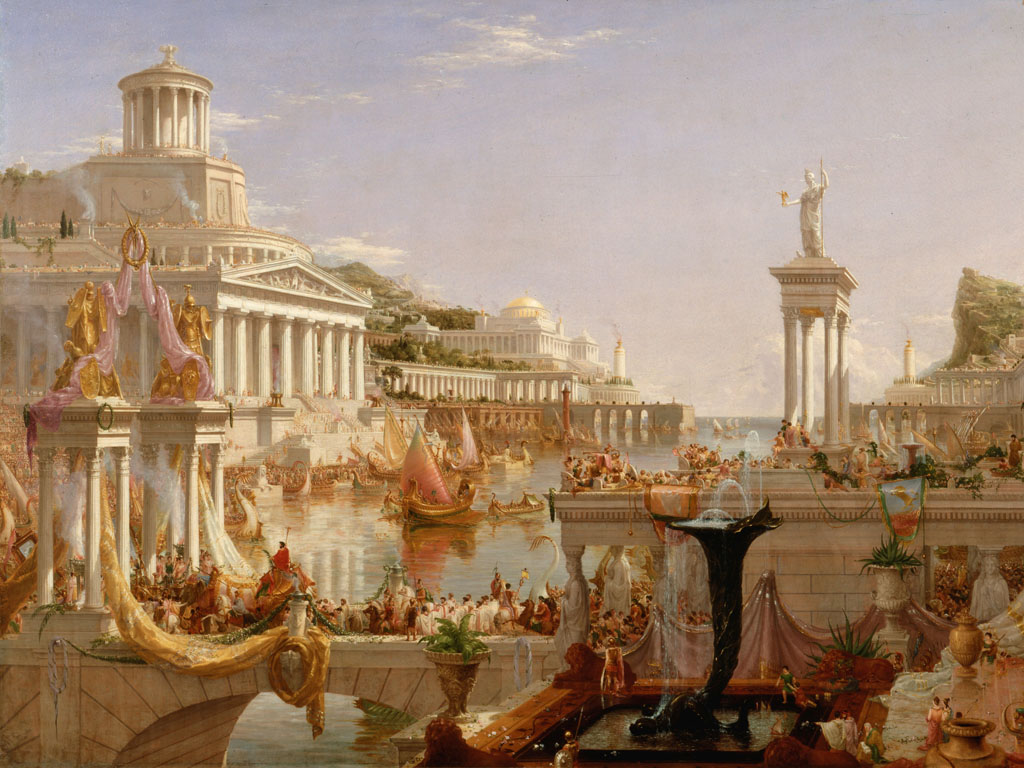

A Banquet in Nero´s palace, illustration from Quo Vadis by Henryk Sienkiewicz by Ulpiano Checa y Sanz


Download (1024x768)
FOTO: Tori Rector, flickr CC


Download (1024x768)
FOTO: godasagardener.com


Gillis Häägg och Lennart Nilsson började samarbeta i slutet av 1969. Lennart Nilsson hade lyssnat på Den svenska fotografen Lennart Nilssons unika bilder som kom ut 1965 blev den genast en av de mest betydelsefulla böckerna i modern tid. För första gången fick vi en glimt av livet före födelsen.














Download (1024x768)
FOTO: Ted Larson

Download (1024x768)
FOTO: Ted Larson
Download (1024x768)
FOTO: Ted Larsson


Download (1024x768)
FOTO: Pat Marvenko Smith


Download (1024x768)
FOTO: Geoff Robinson





Download (1024x768)
FOTO: Göran Larsson



Download (1024x768)
FOTO: British Boardcasting Corporation


Download (1024x768)
FOTO: FreeBibleImages.org


Download (1024x768)
FOTO: FreeBibleImages.org
Download (1024x768)
FOTO: FreeBibleimages.org
Download (1024x768)
FOTO: FreeBibleImages.org

Download (1024x768)
FOTO: FreeBibleimages.org


Download (1024x768)
FOTO: Tori Rector, flickr CC

Even today, you can see the remains of the foundation of the raised judge's seat (Gk.: bema) in Corinth. It was here that members of the synagogue brought Paul to try to have him convicted by the proconsul Gallio, see Acts 18:12-17.

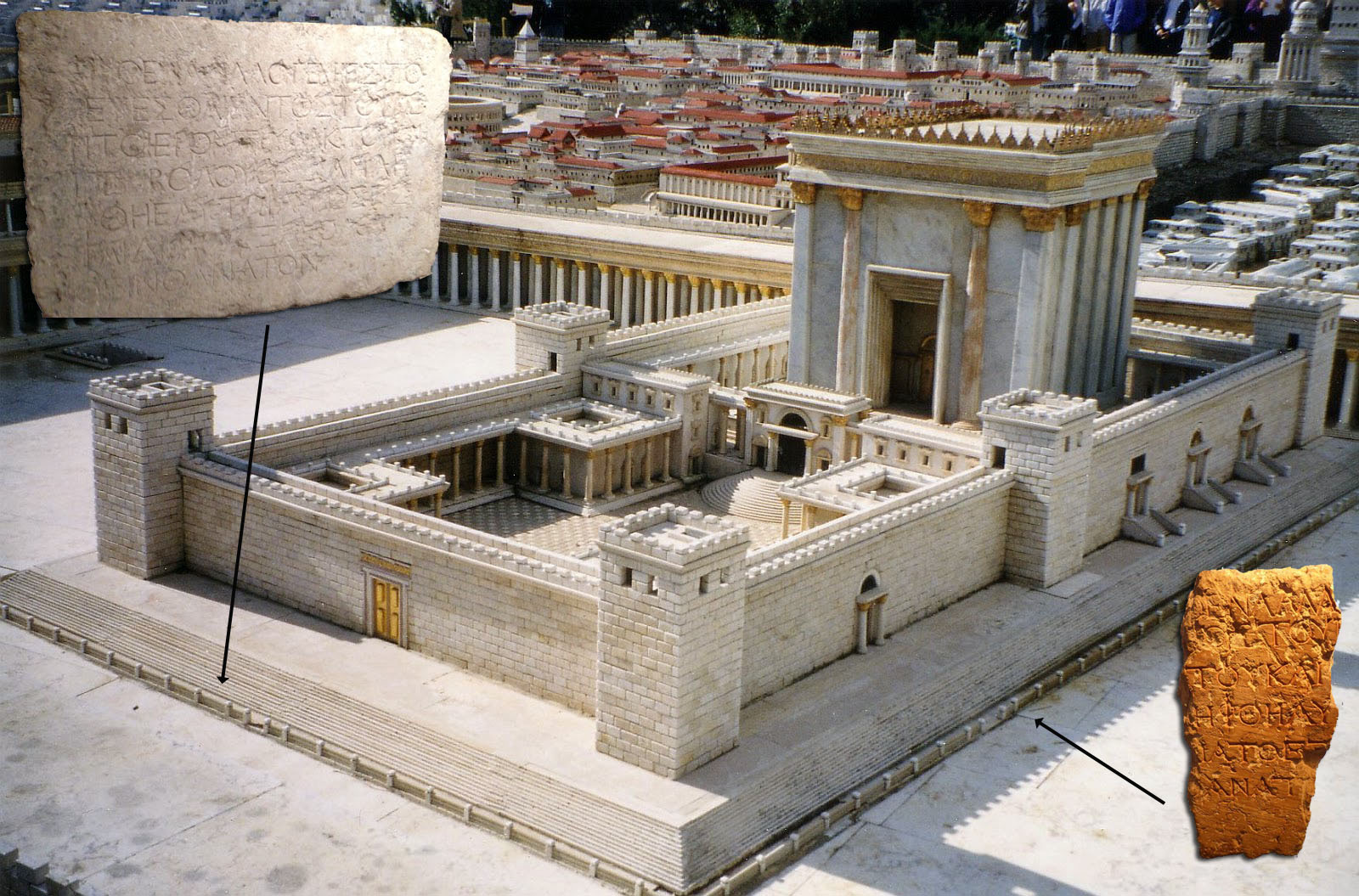
Charles Simon Clermont-Ganneau found 1871 the inscription that was taken by the Ottoman authorities, and it is currently in the Istanbul Archaeology Museums. "No stranger is to enter within the balustrade round the temple and enclosure. Whoever is caught will be responsible to himself for his death, which will ensue."




In ancient times, official documents, scrolls, and records were closed shut with a seal of wax that usually had an imprint signifying the one who sealed it.




Charles Simon Clermont-Ganneau found 1871 the inscription that was taken by the Ottoman authorities, and it is currently in the Istanbul Archaeology Museums. "No stranger is to enter within the balustrade round the temple and enclosure. Whoever is caught will be responsible to himself for his death, which will ensue."
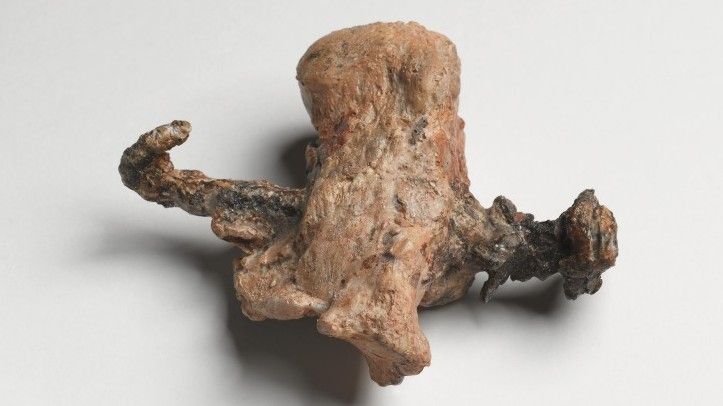
Jehohanan (Yehohanan) was a man put to death by crucifixion in the 1st century CE, whose ossuary was found in 1968 when building contractors working in Giv'at ha-Mivtar



Charles Simon Clermont-Ganneau found 1871 the inscription that was taken by the Ottoman authorities, and it is currently in the Istanbul Archaeology Museums. "No stranger is to enter within the balustrade round the temple and enclosure. Whoever is caught will be responsible to himself for his death, which will ensue."


Download (1024x768)
FOTO: Anders Wester
Download (1024x768)
FOTO: Anders Wester



2-euromynten präglas av grekisk historia och mytologi: bilden på en uggla vars ursprung är från ett fyradrachmamynt från 500-talet f.Kr. respektive en mosaiktavla över myten om att från 200-talet i Sparta; enligt grekisk mytologi har Zeus tagit en tjurs skepnad och rövat bort jungfrun Europa.


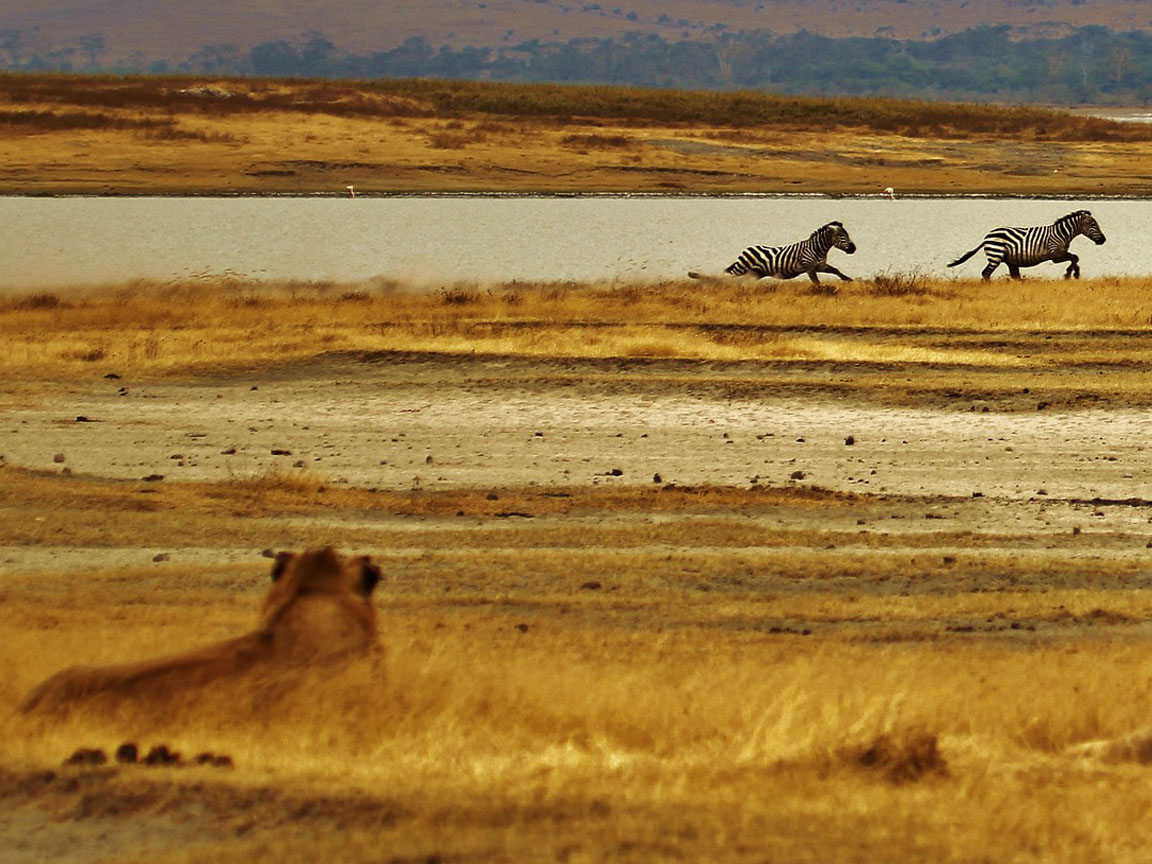
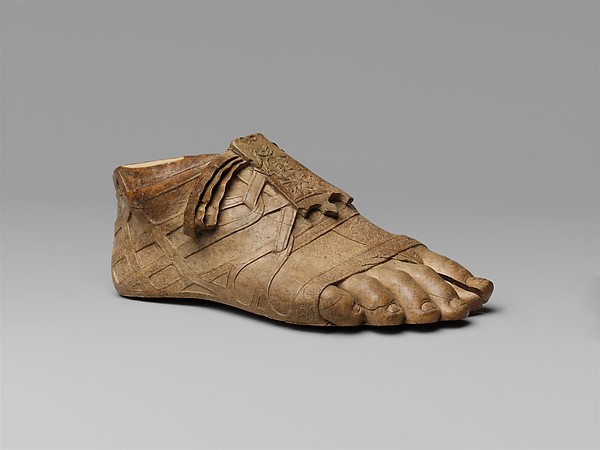
The contrast between works and fruit is important. A machine in a factory works, and turns out a product, but it could never manufacture fruit. Fruit must grow out of life, and, in the case of the believer, it is the life of the Spirit (Gal. 5:25).






Download (1024x768)
FOTO: Hazze Sandström


Download (1024x768)
FOTO: David Bygott


Similar to the forked tongue of a snake, mans uncontrolled tongue both emits praise and spews out curses.




Rediscovered (in 1971) and restored (in 2011) in the catacombs of San Gennaro in Naples, Italy.The 5th century image of a woman named Cerula, found in the catacomb of San Gennaro, Naples, shows her surrounded by open, flaming Gospel books, which are thought to be symbolic of the role of a bishop.

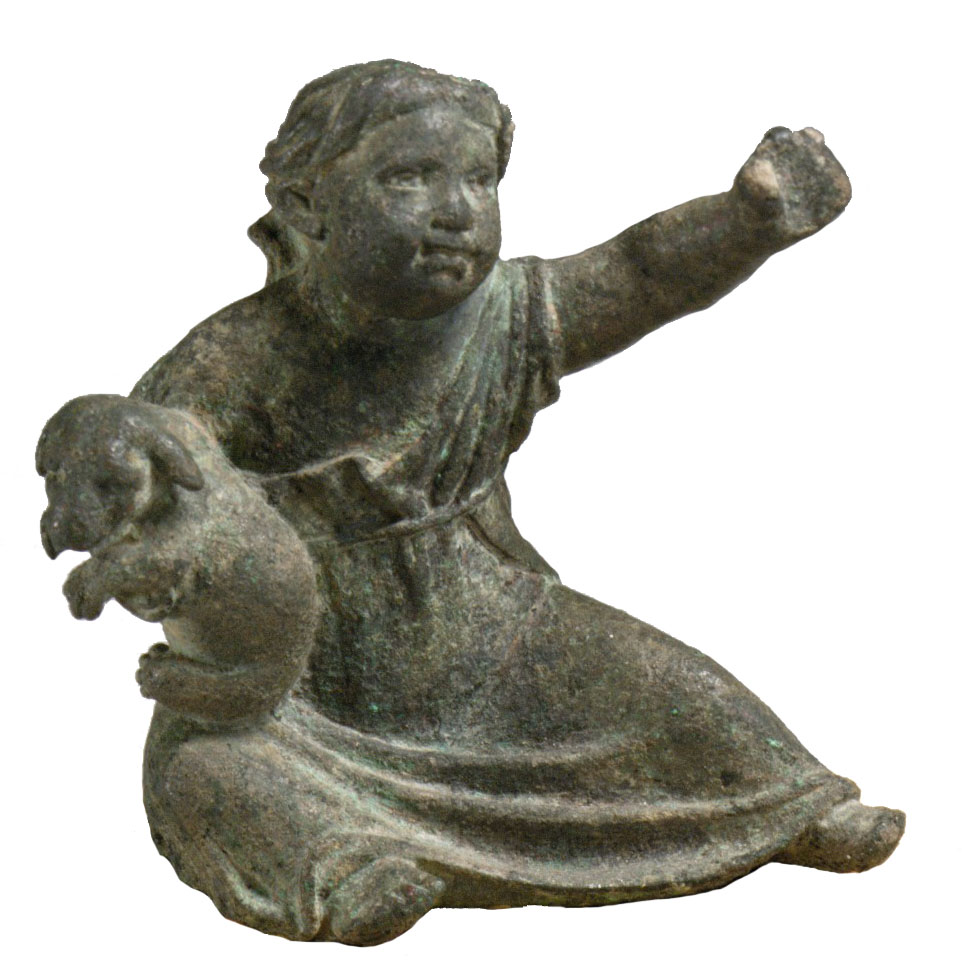
Seated child holding a puppy in her right arm, her left extended in the same direction as her gaze. A charming study of child life, with the little girl and dog both rendered with remarkable truth to nature. Bronze statuette of a girl holding a dog 1st century B.C.–2nd century A.D. Met Museum NYC


this verse may be referencing another ancient habit of farmers that survives even today. It was common for basic shelters to be built in fields, which would provide shade for the workers while they took breaks from reaping. This way, they wouldn’t need to walk all the way back to the village to find reprieve from the elements. These practical structures can still be found today, such as this one in a field in southern Turkey.
Download (1024x768)
FOTO: www.bibleplaces.com


Leviticus 19:9-10 records, farmers were commanded not to harvest the very edges of their fields, so that the leftover grain could be enjoyed by those who had no other source of food. The practice survives today, as shown in this picture. The fact that Boaz was faithful to this command is just one example of his noble character.
Download (1024x768)
FOTO: www.bibleplaces.com


Download (1024x768)
FOTO: Neil Carey

Download (1024x768)
FOTO: Daniel Goldstein, Jewels of Judaism

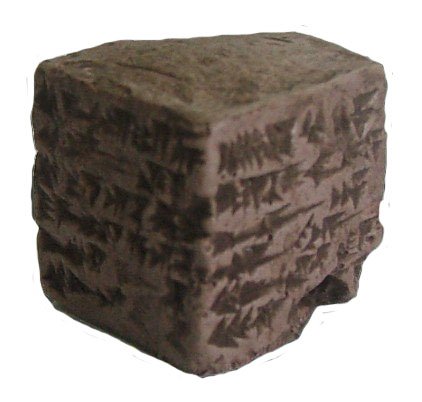
This cube is inscribed with the name and titles of Yahali and a prayer: "In his year assigned to him by lot (puru) may the harvest of the land of Assyria prosper and thrive, in front of the gods Assur and Adad may his lot (puru) fall." It dates from the reign of Salmaneser III (858-824 B.C.E.) and was used in the ceremonies appointing Yahali eponym, i.e. naming the Assyrian year after him (833 and 825 B.C.). It provides a prototype (the only one ever recovered) for the lots (purim) cast by Haman to fix a date for the destruction of the Jews of the Persian Empire, ostensibly in the fifth century B.C.E. ((Esther 3:7; cf. 9:26)

Evidence from the two royal Persian archives recovered from Persepolis indicate that official court records were kept on clay tablets in the Elamite language. A chronicle was literally the “events of the days,” a logbook of court happenings. The tablet shown here is in Akkadian and records a series of events including the reign of the last Babylonian king Nabonidus, the rise of the Persian king Cyrus the Great, the demise of the Babylonian Empire, and the founding of the Persian Empire.



A originated as a symbol of an ox head. Flip the A upside down and it looks similar enough.


Greek Γ (a reversal of the letter due to direction of writing) as well as the Roman C and G.

Det är det första fyndet av just purpurfärgade textilier från Davids tid i regionen. Färgen kallas också tyrisk purpur, efter den antika stad i södra Libanon, Tyros, som blev känd för sin färgproduktion ur purpursnäckan.
Download (1024x768)
FOTO: Israel Antiquities Authority.


"breath" or "sigh" as one does when looking at a great sight. The meaning of the letter e is behold, look, breath, sigh and reveal or revelation from the idea of revealing a great sight by pointing it out.



The Ancient picture is a type of "mark," probably of two sticks crossed to mark a place, similar to the Egyptian hieroglyph


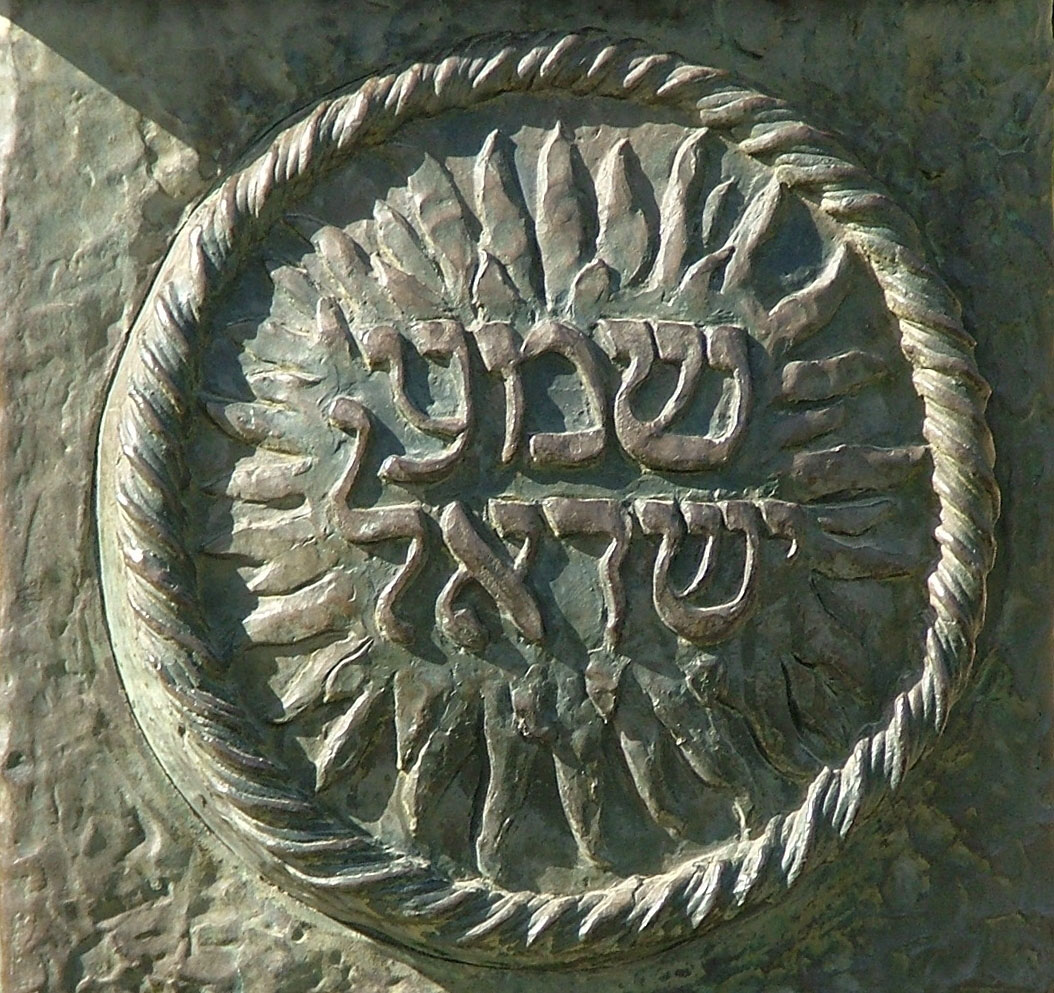


Allt detta pekar som en skuggbild på hur Människosonen tar människornas synd på sig, blir upprest på ett kors och upplyft till himlen.


Hammurabi (babyloniska Hammurabi eller Ammurapi) var kung i Babylon (nuvarande Irak), troligen mellan cirka 1792 och 1750


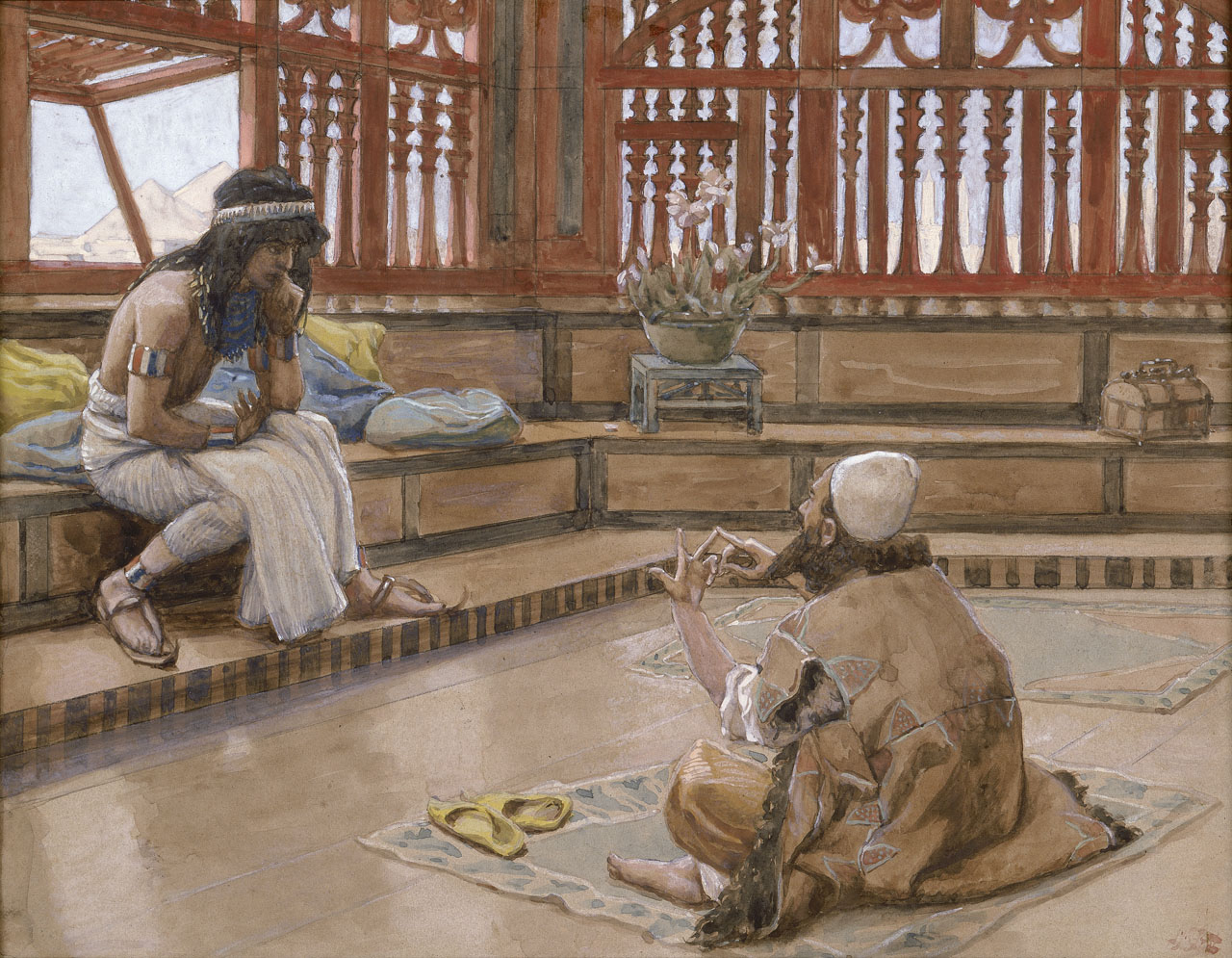


Mosaic of the 12 Tribes of Israel. From Givat Mordechai Etz Yosef synagogue facade, Ha Rav Gold street, in Jerusalem. Top row, right to left: Reuben, Judah, Dan, Asher Middle: Simeon, Issachar, Naphtali, Joseph Bottom: Levi, Zebulun, Gad, Benjamin


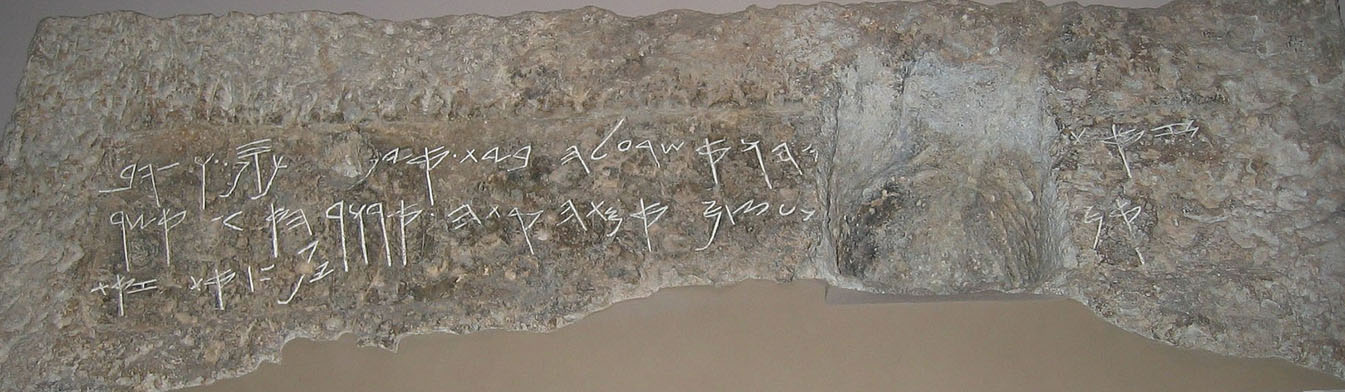


Israel grows more than forty types of fruits and exports most of it internationally. Israel has diverse climates that enable it to grow a wide range of crops.


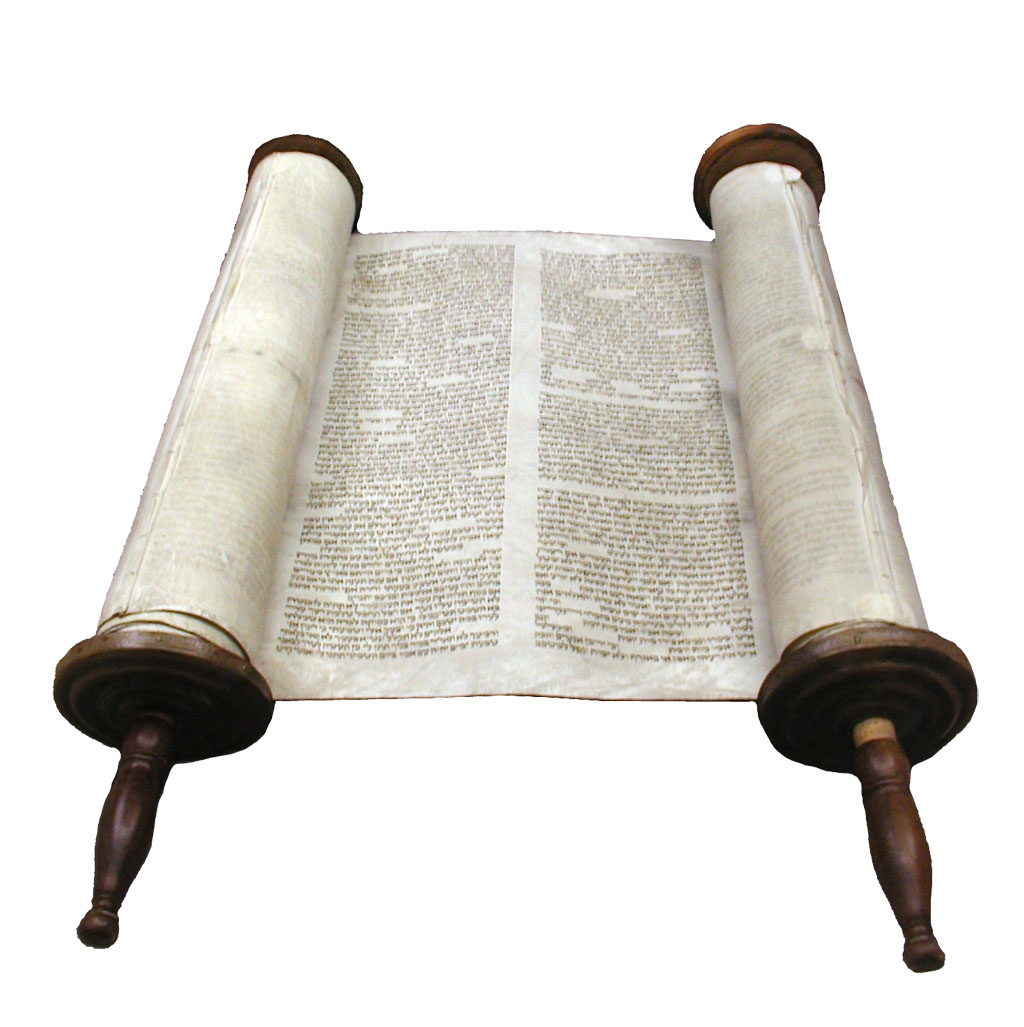


This is the inscrip]tion of [Bala]am [son of Be]or. He was a divine seer, and the Gods came to him at night. [And they spoke to]


Mosaic in 1,600-Year-Old Synagogue reveal oldest depiction of prophetesses Devorah and Yael


Sacrifice in front of the Temple of Jupiter Capitolinus. ca. 118—125 CE. Roman. marble relief. Louvre Paris.


De materia medica (Latin name for the Greek work Περὶ ὕλης ἰατρικῆς, Peri hulēs iatrikēs, both meaning "On Medical Material") is a p


Download (1024x768)
FOTO: Hazze Sandström







Download (1024x768)
FOTO: Mikael Ovebring




Download (1024x768)
FOTO: 3D: Mikael Sundberg / Teckenpedagogerna.

Download (1024x768)
FOTO: wikimedia


The Chords Bridge is a cable-stayed bridge at the entrance to the city of Jerusalem, build 2008.

At the entrance to the temple mount a guard shows compassion to one of the thousands cats in Jerusalem.


Download (1024x768)
FOTO: Anders Wester

Download (1024x768)
FOTO: wikimedia


Download (1024x768)
FOTO: Magnus Norberg


"From the king's maidservant, from Na'arat, jars of wine, to Jerusalem."
Download (1024x768)
FOTO: Shai Halevi


The Siege and Destruction of Jerusalem by the Romans Under the Command of Titus, A.D. 70


Achaia


Download (1024x768)
FOTO: Anastasia Shapiro, Israel Antiquities Authority
Antioch (in Pisidia)

On the west side of the city are the foundations of the synagogue where Paul gave his first recorded sermon.
Arad
Ararat


Photo by Gregory Areshian shows the earliest known wine-making operation in an Armenian cave not far from Mt. Ararat, probably much like the one used to make the biblical wine that got Noah drunk. archaeologists found wine-making equipment such as fermentation vats, a wine press, storage jars, and pottery sherds.
Download (1024x768)
FOTO: Gregory Areshian
Attalia

The Tarus mountains behind the city Attaleia, today Antalya on the south coust of Turkey.


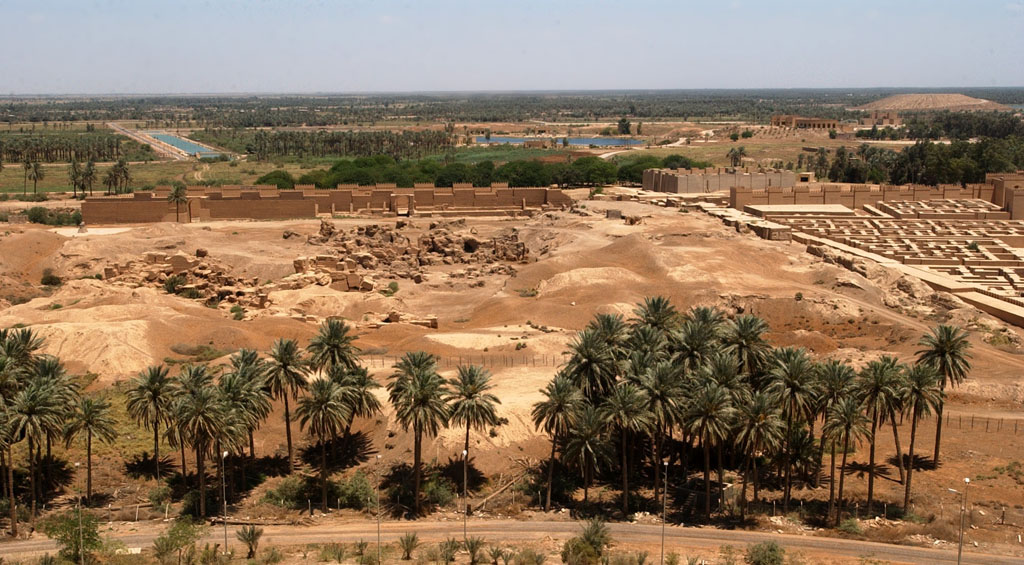
Babylon

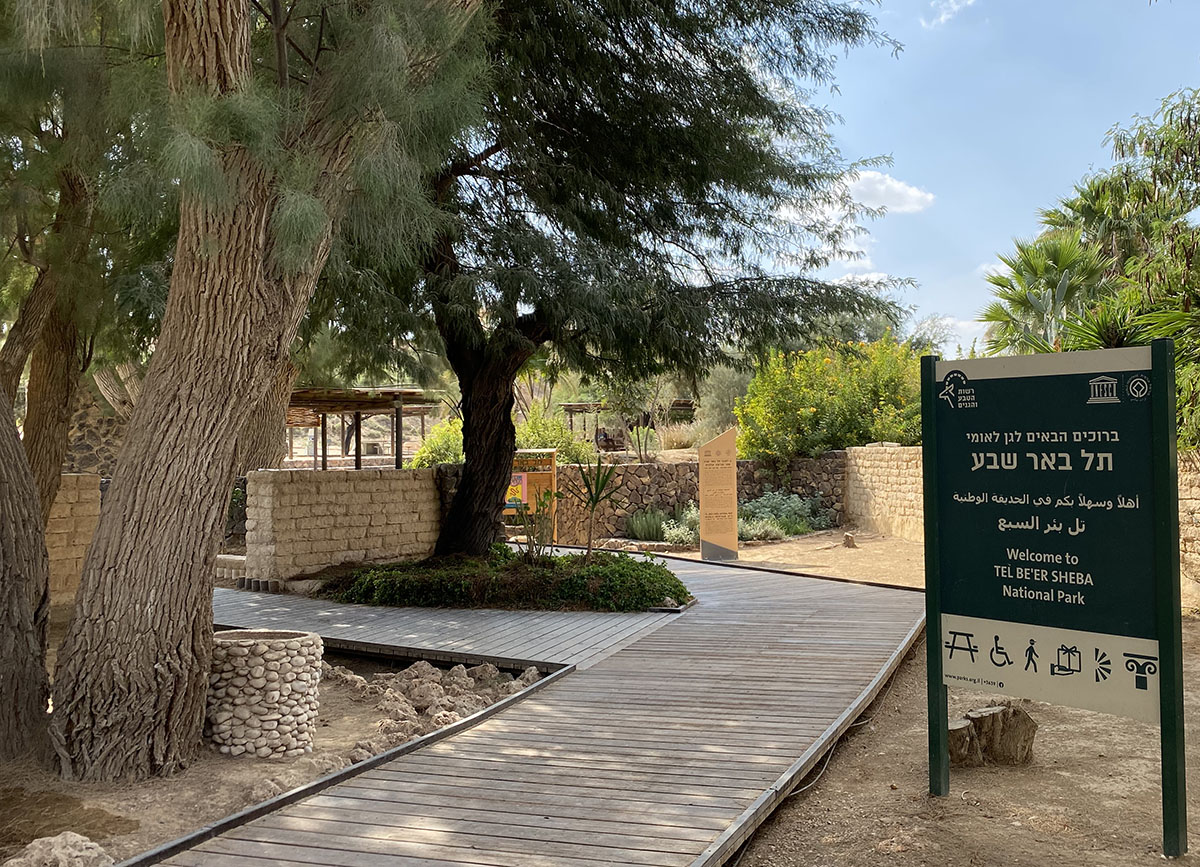
Beersheba
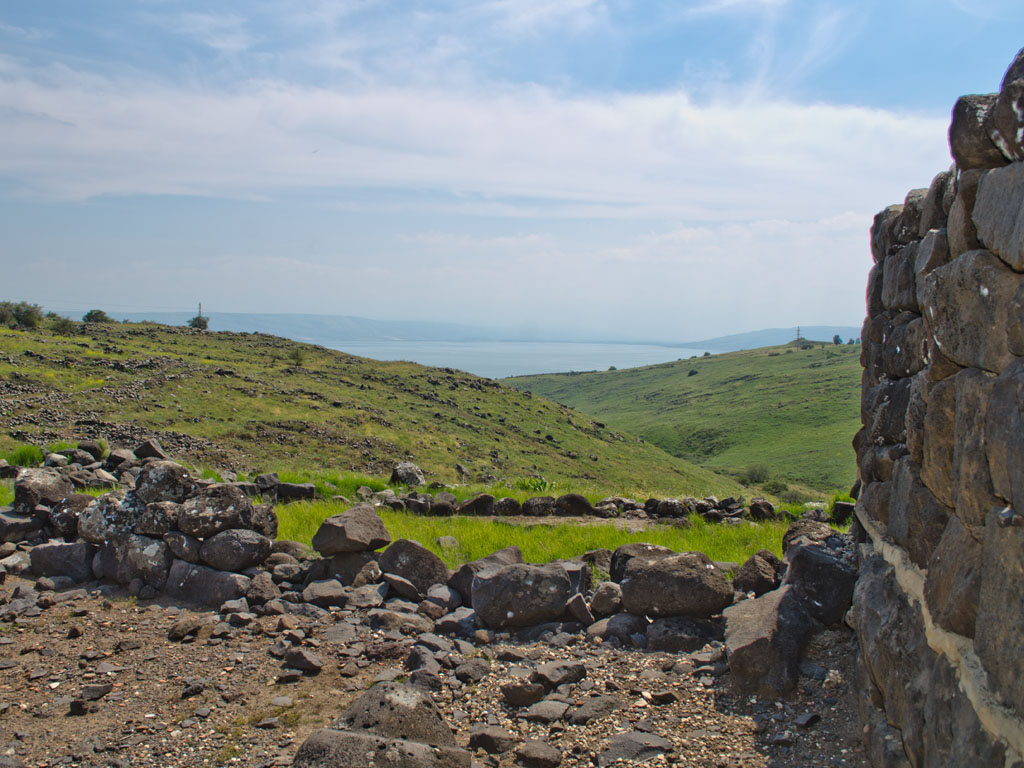
Bethany (near Jerusalem)
Village just east of Jerusalem. This was the home of siblings Lazarus, Martha and Mary. Jesus often visited them on the way to and from Jerusalem, and often lived in their home during the festivals in Jerusalem.


Bethlehem (Ephrata, in Judea)


This photograph was taken on the outskirts of Bethlehem in 1987.
Download (1024x768)
FOTO: www.bibleplaces.com

According to Eli Shukron, director of the excavation on behalf of the Israel Antiquities Authority, “it seems that in the seventh year of the reign of a king (it is unclear if the king referred to here is Hezekiah, Manasseh or Josiah), a shipment was dispatched from Bethlehem to the king in Jerusalem. The bulla we found belongs to the group of “fiscal” bullae – administrative bullae used to seal tax shipments remitted to the taxation system of the Kingdom of Judah in the late eighth and seventh centuries BCE. The tax could have been paid in the form of silver or agricultural produce such as wine or wheat”. Shukron emphasizes,” this is the first time the name Bethlehem appears outside the Bible, in an inscription from the First Temple period, which proves that Bethlehem was indeed a city in the Kingdom of Judah, and possibly also in earlier periods”.
Bethlehem (in Galile)
There where at least two towns called Bethlehem (meaning House of bread). This refers to the town in the tribe of Zebulun in the north, seven miles northwest of Nazareth.


Bethphage

Caesarea (Maritima, by the sea)

The Aqueduct brought running water to the old city of Caesarea, along a raised aqueduct. The source of the water was the springs of Shummi, 10 km away. The city had temples and palaces. The amphitheaterseated 4,000 and the hippodrome 10,000.


On the face is a monumental inscription which is part of a larger dedication to Tiberius Caesar which clearly says that it was from Pontius Pilate, Prefect of Judea.

Chorazin

In 1926 a unique stone seat was found near the southern wall of the Chorazin synagogue. Since then it has been called the “Chair of Moses.” The Chair of Moses is a special seat that is used in some synagogues, even today, on certain occasions, usually located near the most important wall, that which faces Jerusalem.

The city was established in the 1st C AD. The remains that are seen today belong to a later period.
Corinth
Corinth was the capital of the province of Achaia in southern Greece. Its location on the Corinthian isthmus, connecting two seas, made it a natural trading centre between East and West with 50,000 inhabitants. A few kilometres to the north was the port of Lechaion and to the south the port of Kenkrea in the Saronic Gulf, see Acts 18:18; Romans 16:1. Goods were unloaded and loaded between the harbours. Many leaders have dreamed of a canal. More than fifteen years after Paul's visit, Nero personally broke ground in 67 AD. He assigned 6000 Jewish prisoners from the Judean revolts to the work, but the project was cancelled on his death. It was not until 1893 that the canal became a reality, but it was narrow and dangerous and never the success hoped for.


Crete, Caphtor
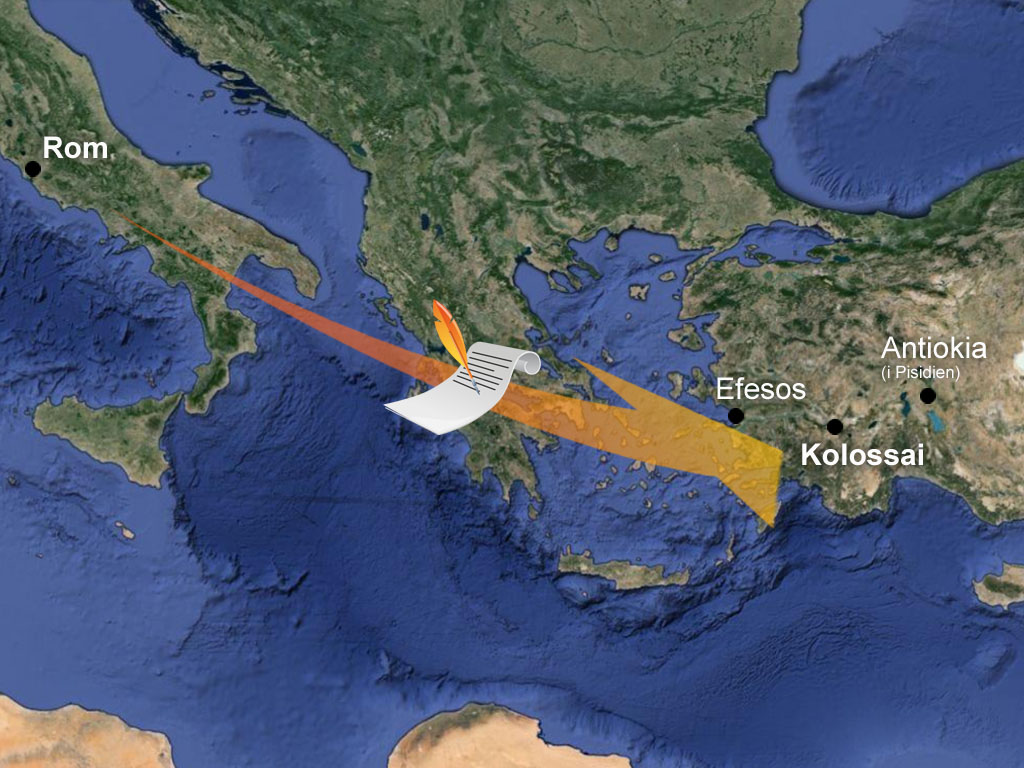
Paul left Timothy to develop the churches here. Paul also visit Crete during is way to Rome.

Download (1024x768)
FOTO: Annika Bergström

Download (1024x768)
FOTO: Annika Bergström

Download (1024x768)
FOTO: Annika Bergström
Dan

Before 1993, there was no archaeological evidence of David's existence. This changed when a stone was found at the gate of the city of Dan with an inscription mentioning "the house of David" by King Hasael of Aram.
Derbe

Gath (Tell es-safi)
The town Goliath came from.

Gaza


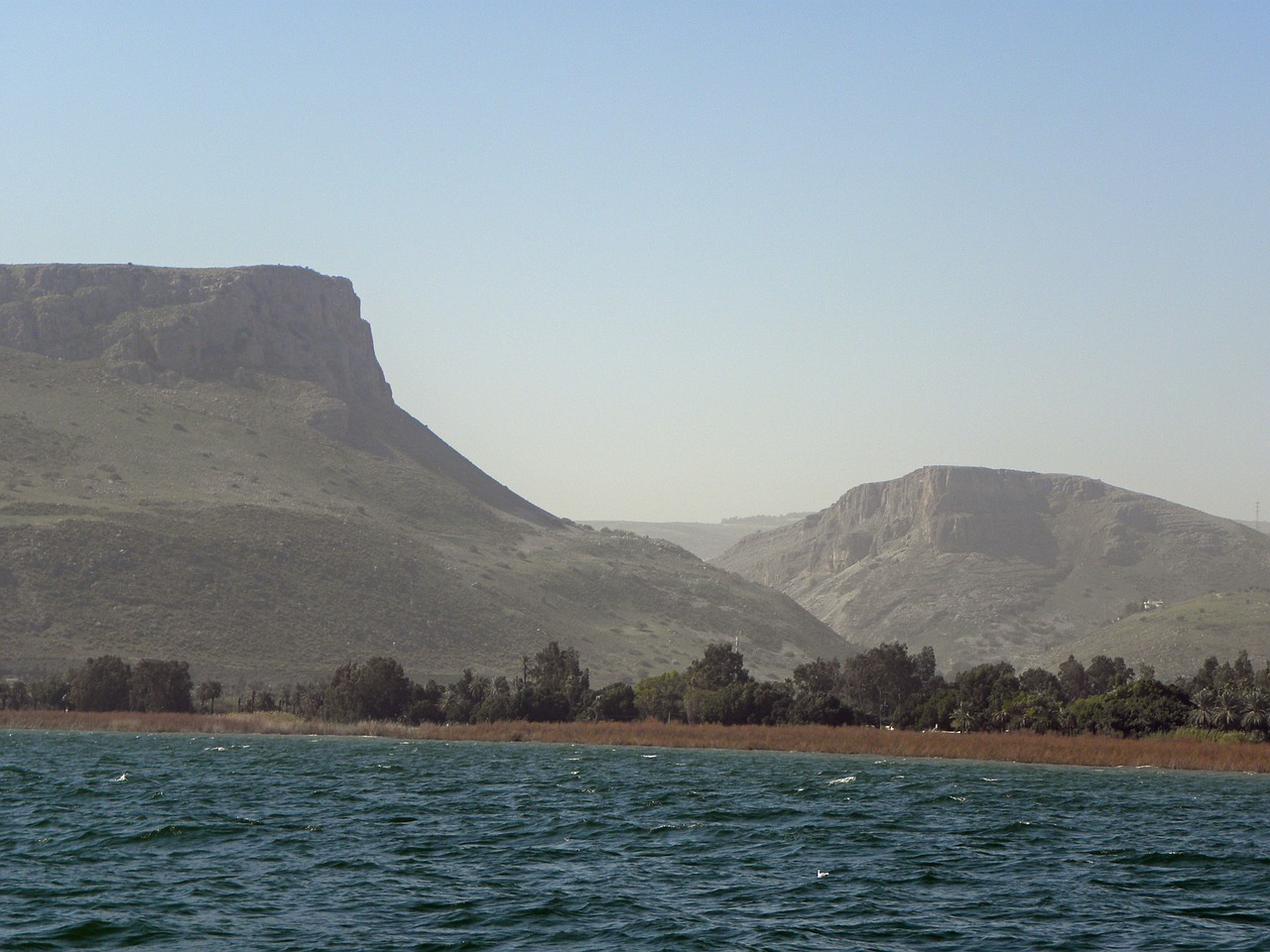
Plain of Gennesaret
The Plain of Gennesaret was know for its unusually fertile soil.

The Plain of Gennesaret just north of Magdala was know for its unusually fertile soil.
Ein Harod


Below the spring is the water. It is today a Israelie National Park kalled Ma´ayan Harod.


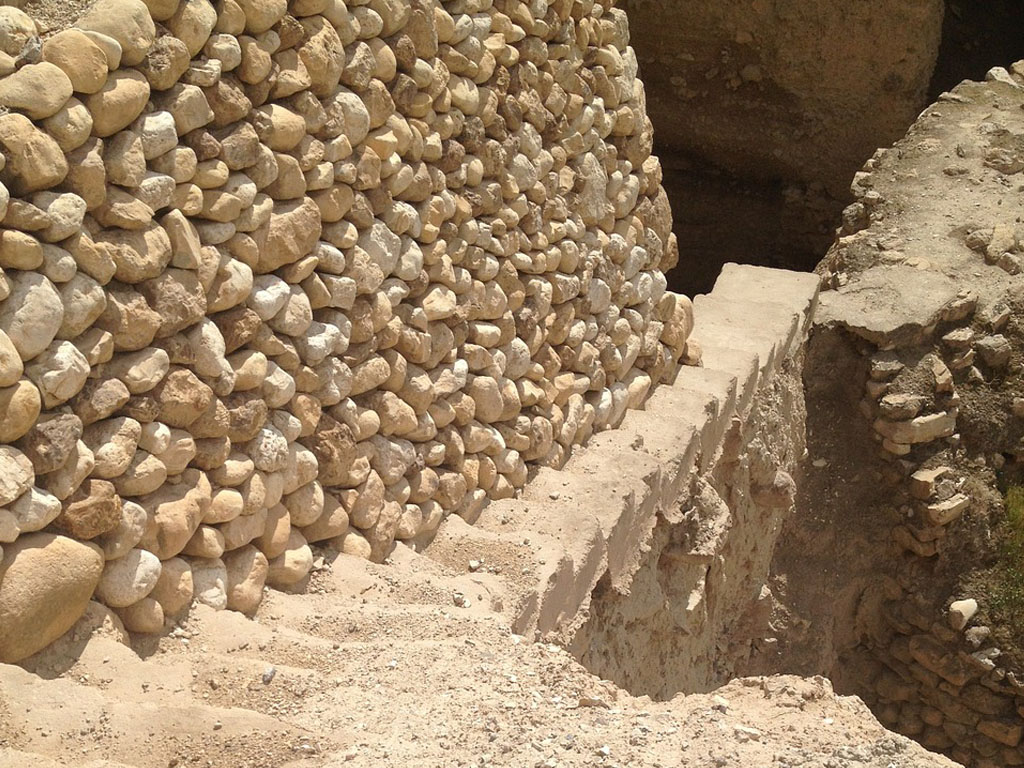
Jericho (the city of palm tree)
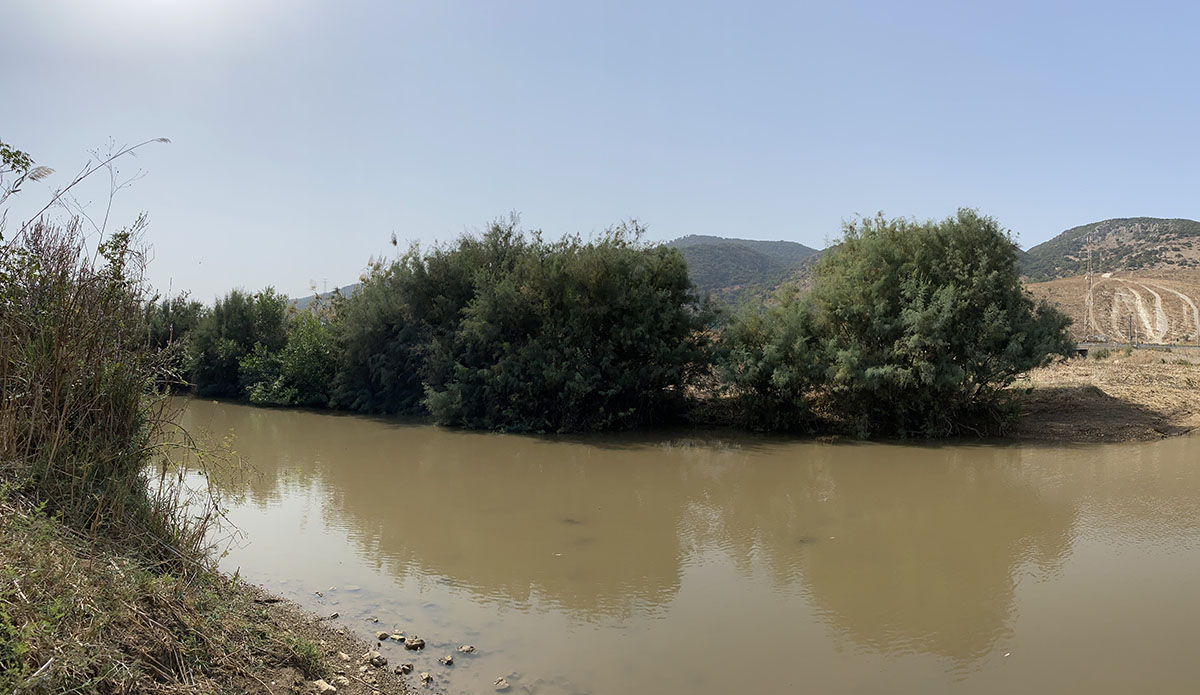
Jordan Valley


Kiriath-jearim

Kishion
Lachish


The single inscription which identifies the location depicted in the reliefs reads: "Sennacherib, the mighty king, king of the country of Assyria, sitting on the throne of judgment, before (or at the entrance of) the city of Lachish (Lakhisha). I give permission for its slaughter".
Libnah (tel Burna)


Lystra
Probably the hometown of Timothy. There was a temple to Zeus near the gates of the city, and a statue of Hermes dedicated to Zeus was found here as well.


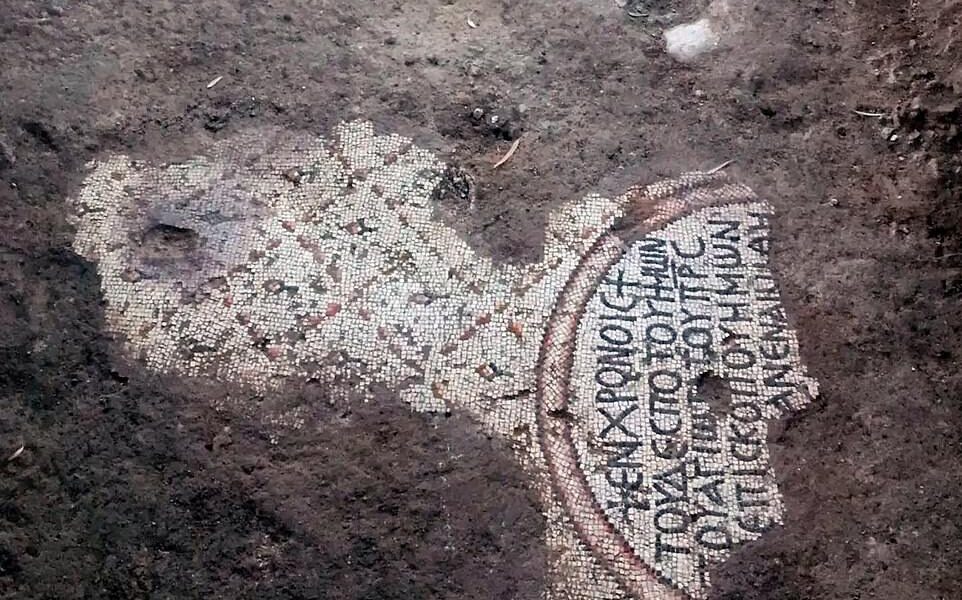
The Encounter Chapel, in the lower lever of Duc In Altum, is dedicated to Jesus’ encounter of all of us, as illustrated by the hemorrhaging women. Located on the marketplace of the first century port, the Encounter Chapel is modeled after the structure of the Magdala First Century Synagogue with room for up to 120 people. The floor of the chapell is that of the original first century market place of the Magdala port.
The Encounter Chapel, in the lower lever of Duc In Altum, is dedicated to Jesus’ encounter of all of us, as illustrated by the hemorrhaging women. Located on the marketplace of the first century port, the Encounter Chapel is modeled after the structure of the Magdala First Century Synagogue with room for up to 120 people. The floor of the chapell is that of the original first century market place of the Magdala port.
The Encounter Chapel, in the lower lever of Duc In Altum, is dedicated to Jesus’ encounter of all of us, as illustrated by the hemorrhaging women. Located on the marketplace of the first century port, the Encounter Chapel is modeled after the structure of the Magdala First Century Synagogue with room for up to 120 people. The floor of the chapell is that of the original first century market place of the Magdala port.

Makkedah

Malta
An island in the Mediterranean south of Italy where Paul was shipwrecked on his final journey to Rome. He was bitten by a snake, but was not hurt.


Download (1024x768)
FOTO: Melody Sundberg

Miletus
Paulus visit this city located at the mouth of the Meander River. He meet the leaders from Ephesos here, speaks about his imprisonment. A gate build 120-130 A.D. from Miletos is at display at the Pergamon Museum in Berlin.

Moresheth-gath (Tel Goded)

Mount Carmel

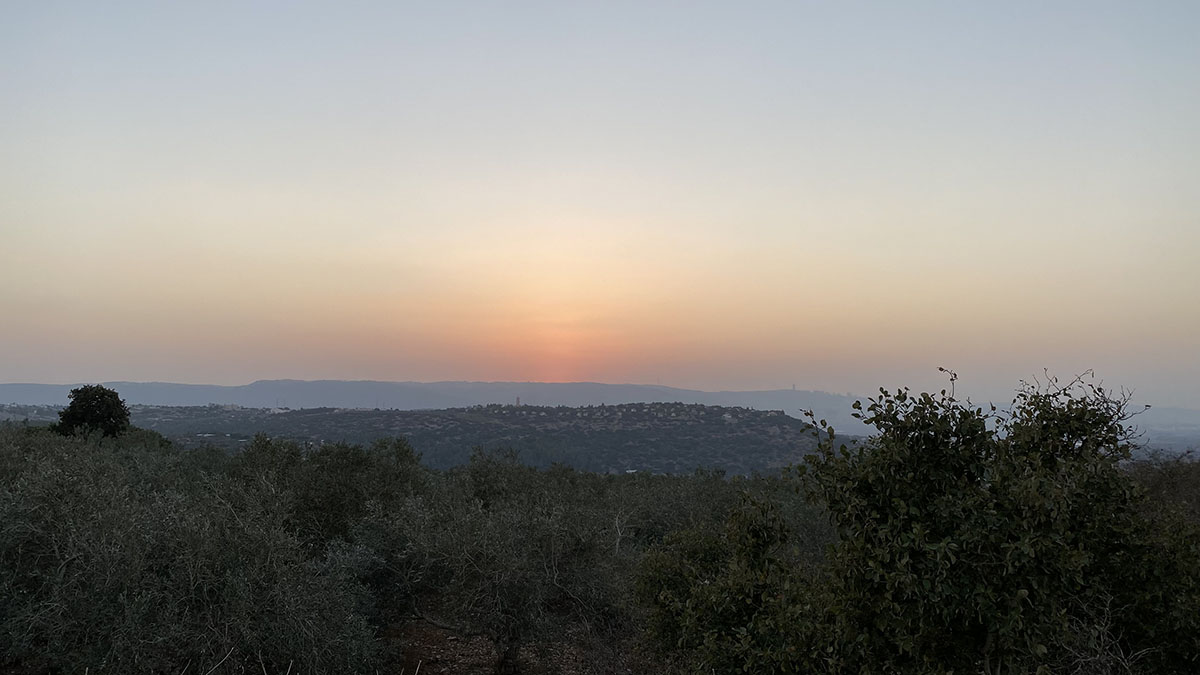
Mount Ebal
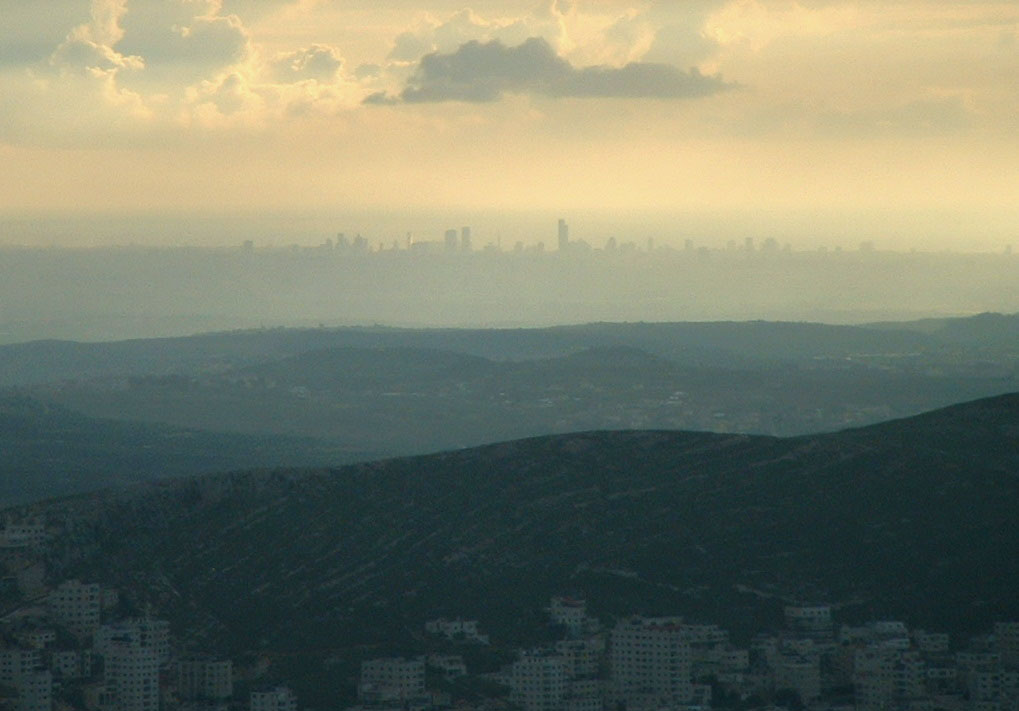
Mount Gerizim


Mount Nebo


Negeb (Negev, South)

Patmos
John was exiled to this island, according to tradition around 95 AD. One day he gets a vision and writes the book of Revelation.


Road sign on the way leading up to the caves where by tradition John wrote the Revelation.
Download (1024x768)
FOTO: Jonathan Svennberg


The Cave of the Apocalypse is situated about halfway up the mountain.
Download (1024x768)
FOTO: Jonathan Svennberg

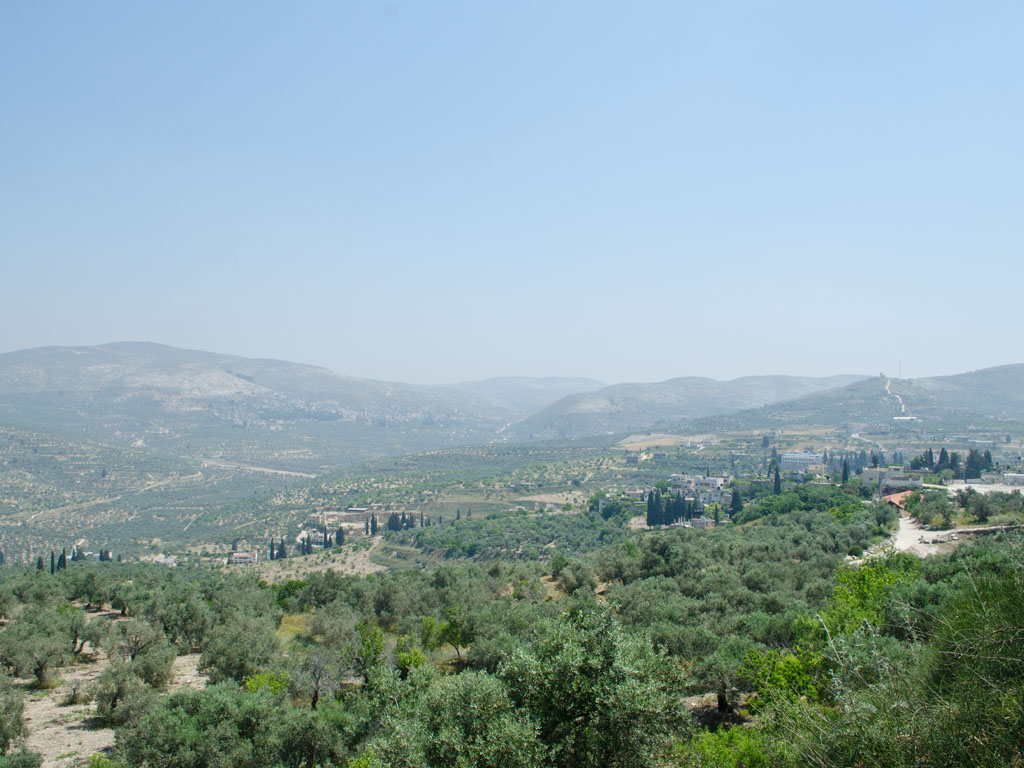
Samaria
Susa


A winged horned lion with horse neck and eagle posterior legs from the famous glazed bricks friezes found in Darius the Greats palace in Susa


Timnah (in Juda)

Download (1024x768)
FOTO: Miguel Nicolaevsky
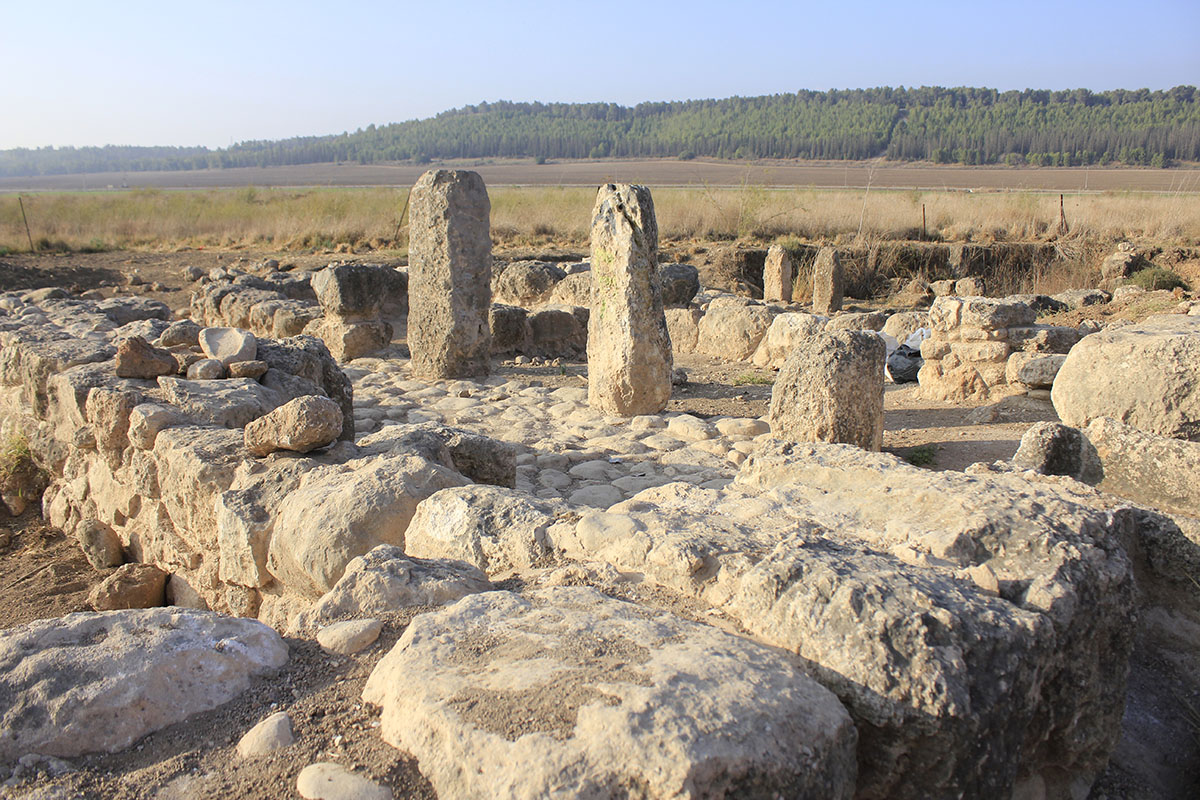
Valley of Achor

Download (1024x768)
FOTO: Mujaddara
Ziklag (Tel Sera)

Zorah
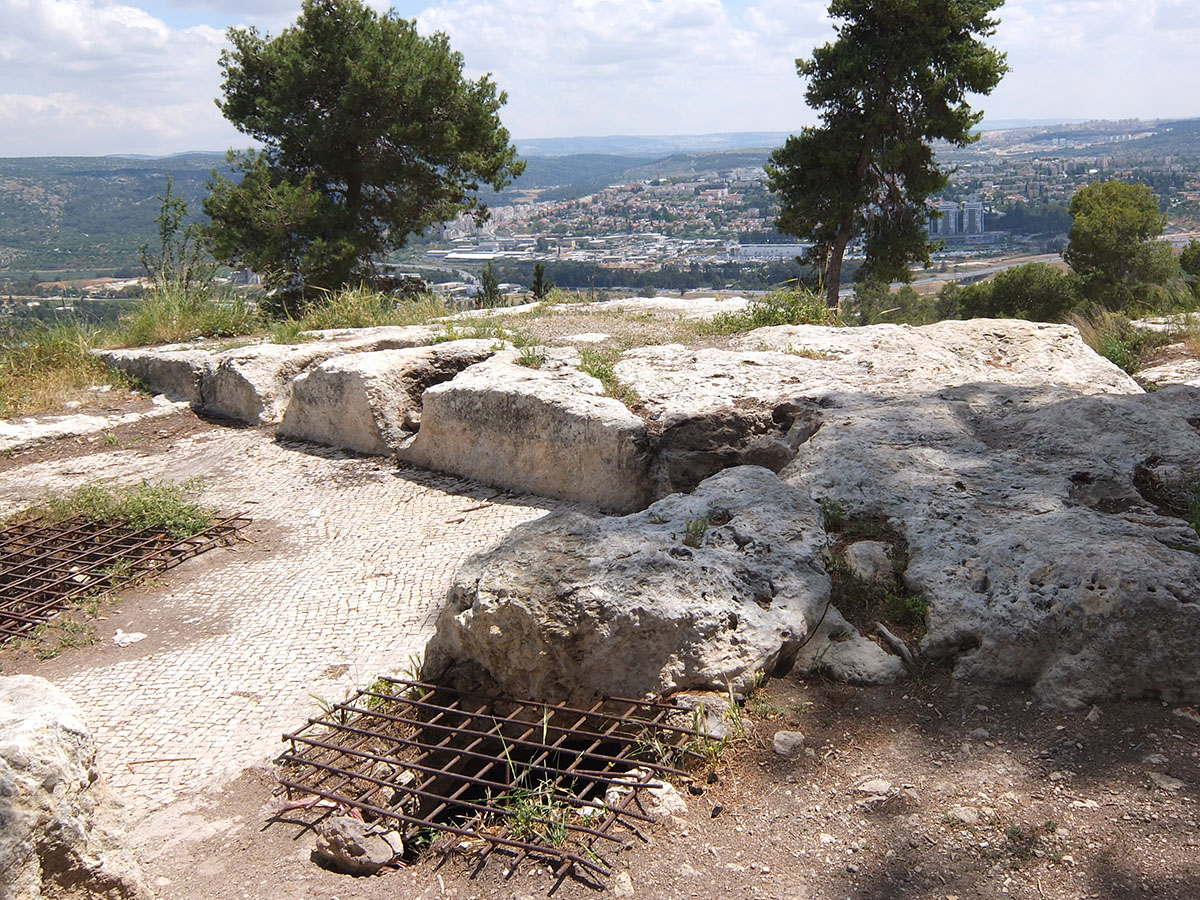
Qasr el Yahud (Jordan Baptismal Site)
A possible location for the baptism of Jesus is Qasr el Yahud east of Jericho near the Dead Sea. This Israeli site opened again 2011 after being closed since the Six-Day War.


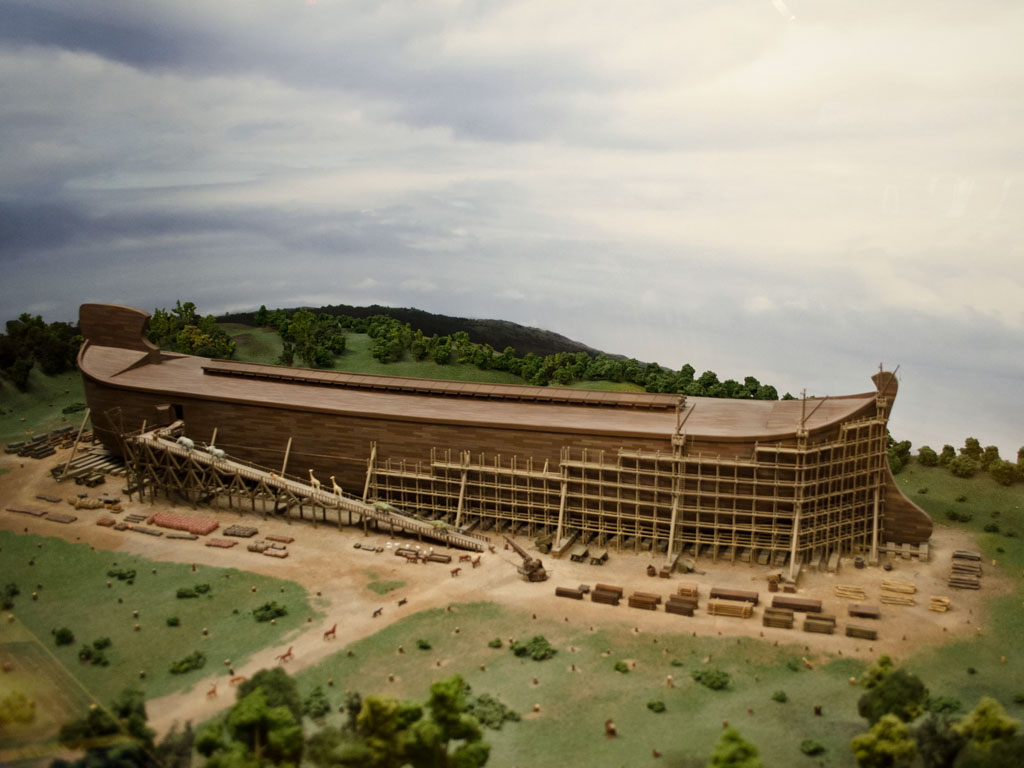
Noahs Arc (Ark van Noach) - until jan 2016
A full scale replica of the Noah´s Ark is open for the public in Dordrecht, Netherlands until 23 jan 2016. It was read July 2012 and is made in the same dimensions as the original Ark, 30 m wide, 23 m high and 135 m long. The builder is Johan Huibers who earlier have build an 1/10 scale replica of the arc.

Pergamon Museum
The Pergamon Museum in Berlin have many monument that have biblical relevance. The great Zeus Altar, mentioned in Revelation 2:13. The Ishtar gate from Babylon built 575 BC by Nebuchadnezzar. The Roman Marketplace gate in Miletos built around 120 AD.
NOTE - the Pergamum altar section will be closed for renovation from the fall 2014-2019


Model of the roman city Miletos. The Bible mention that Paulus and also Petrus visit this city.


Model of the Ishtar gate and the over 200 meter long procession way that led up to the gate.


Creation Museum
Model of Noah´s arc and Garden of Eden.


Jericho (Roman Municipal)
This municipal section was build by the Hasmoneans and Herod the Great. The residential area (old Jerico) is just north of this city. The blind men was sitting between the two districts. Jesus was "leaving" (Matt 20:29, Mark 10:46) residential Jericho, but "approaching" (Luke 18:35) the municipal Jericho, where he then meets Zachaeus.

The Temple Institute (prepare the building of the third temple)
The Temple Institute is dedicated to build the third Temple in Jerusalem. The visitor center present the Temple-ready sacred vessels created by the Institute, garments of the High Priest, etc.
Hours
Sunday to Thursday: 09:00-19:00
Fridays (Holiday eves): 09:00-13:00
Saturday (and Jewish Holidays): Closed
(Closed during lunch 14:00 -14:30)


Herodium
Herod the Great (37Bc to 4BC) was one of the greatest builders in Israel. Herodion was one of his monumental construction programs, built in the years 23-20BC in a large complex that included a fortress on the upper city and a palace and gardens in the lower city.

Björkelund
A museum with art from a Swedish artist, Eva Spångberg. Modell of the second temple in Jerusalem.
Open 1 May - 30 September, hours 10.00 am - 6.00 pm, phone: 0382-25047

Download (1024x768)
FOTO: Fam Lönn

Download (1024x768)
FOTO: Fam Lönn

Download (1024x768)
FOTO: Fam Lönn

Download (1024x768)
FOTO: Fam Lönn

Download (1024x768)
FOTO: Fam Lönn


Download (1024x768)
FOTO: Fam Lönn

Download (1024x768)
FOTO: Fam Lönn

Download (1024x768)
FOTO: Fam Lönn

Download (1024x768)
FOTO: Fam Lönn

Download (1024x768)
FOTO: Fam Lönn

Download (1024x768)
FOTO: Fam Lönn

Download (1024x768)
FOTO: Fam Lönn

Download (1024x768)
FOTO: Fam Lönn

Download (1024x768)
FOTO: Fam Lönn
Wine press at Jezreel (Naboth´s wineyard)
This Wine press on the northeastern slopes of the tell, could have belonged to Naboth. The square rock-cut vat is one of the largest winery installations found from this time period in Israel.


Parthenon (1/1 model of the Parthenon temple in Athen)
A full-scale replica of the original Parthenon in Athens. It was built in 1897 as part of the Tennessee Centennial Exposition. It is probably to this temple and statue that Paulus is referring to during his speech at the Areopag in Athens.


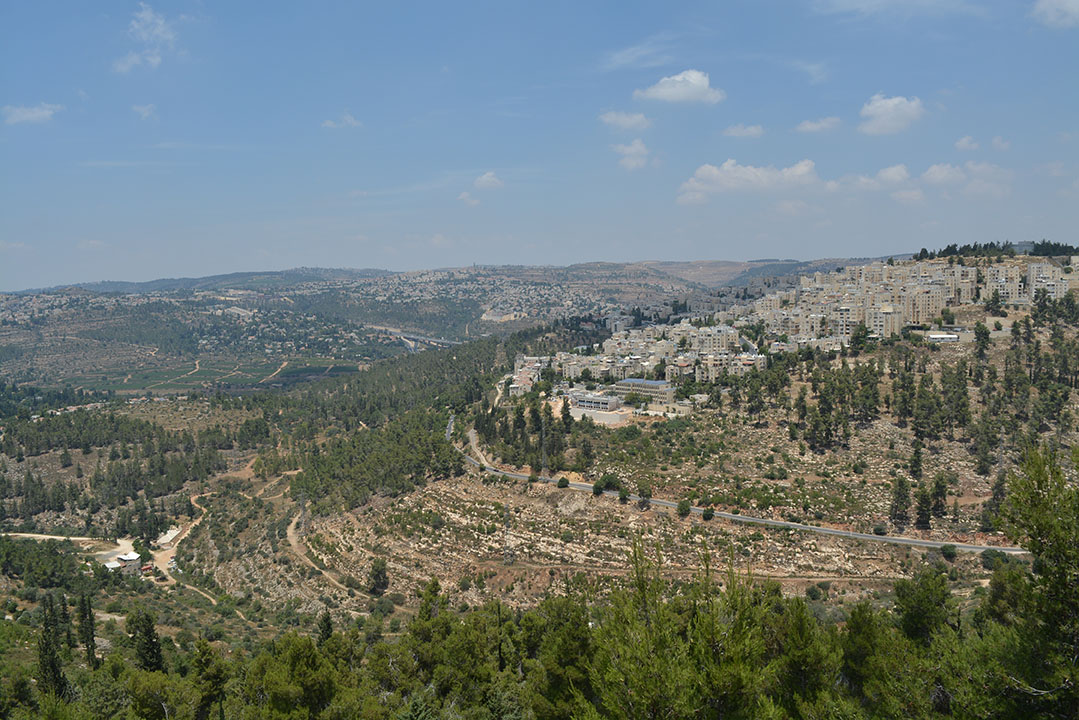
Yad Hashmona - Biblical Garden
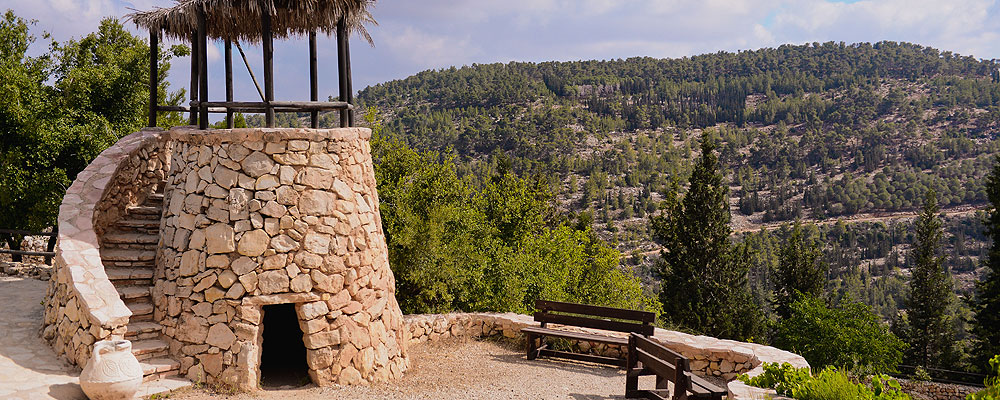
The Biblical Garden displays biblical plants and trees, an ancient wine press, an olive oil press, a mikve, a burial cave, an agricultural watchtower and a Galilean-type synagogue.

Download (1024x768)
FOTO: Tore Jungerstam

Download (1024x768)
FOTO: Tore Jungerstam
Tsipori

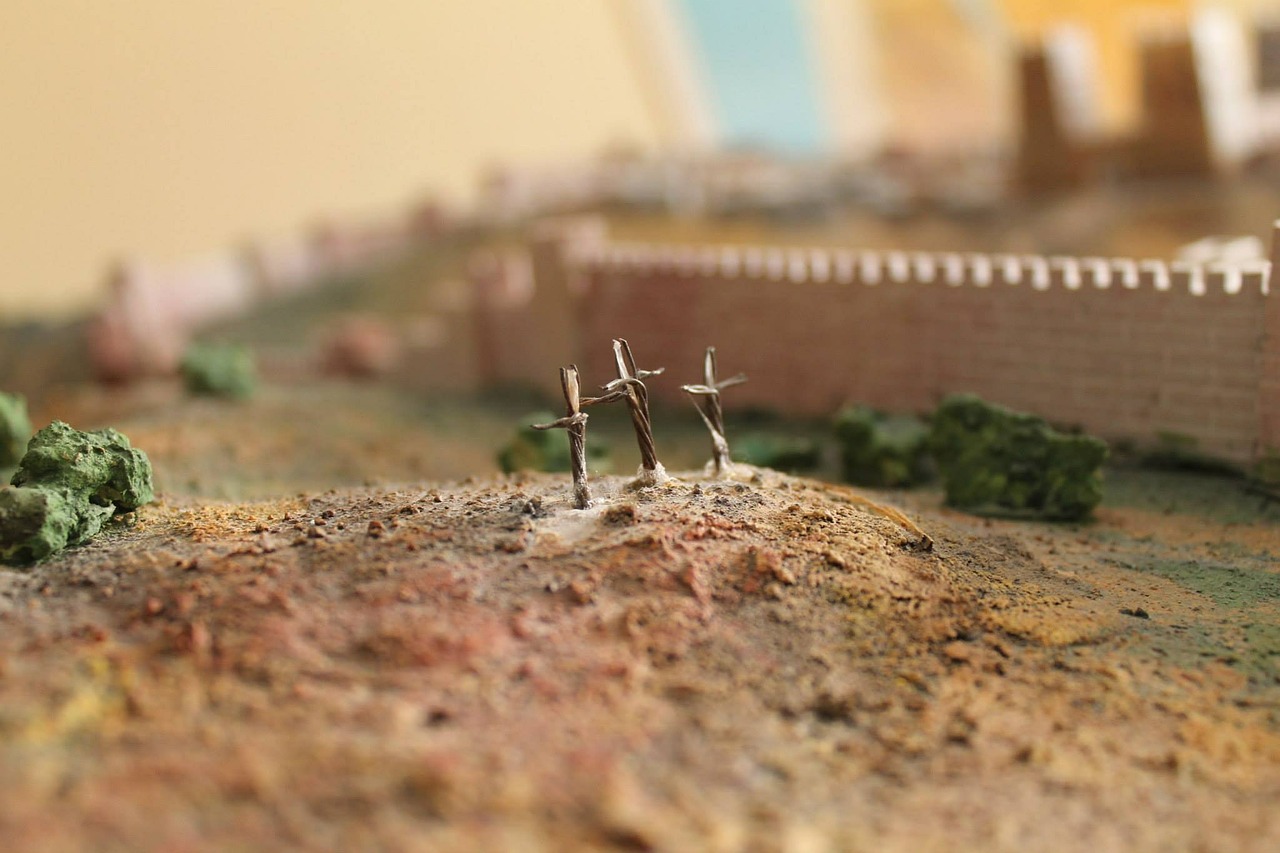
Hållandsgården (Model of second Temple)

Download (1024x768)
FOTO: Anna Carlsson

Download (1024x768)
FOTO: Anna Carlsson

Download (1024x768)
FOTO: Anna Carlsson

Download (1024x768)
FOTO: Anna Carlsson

Download (1024x768)
FOTO: Anna Carlsson

Download (1024x768)
FOTO: Anna Carlsson

Download (1024x768)
FOTO: Anna Carlsson
Bibelns värld


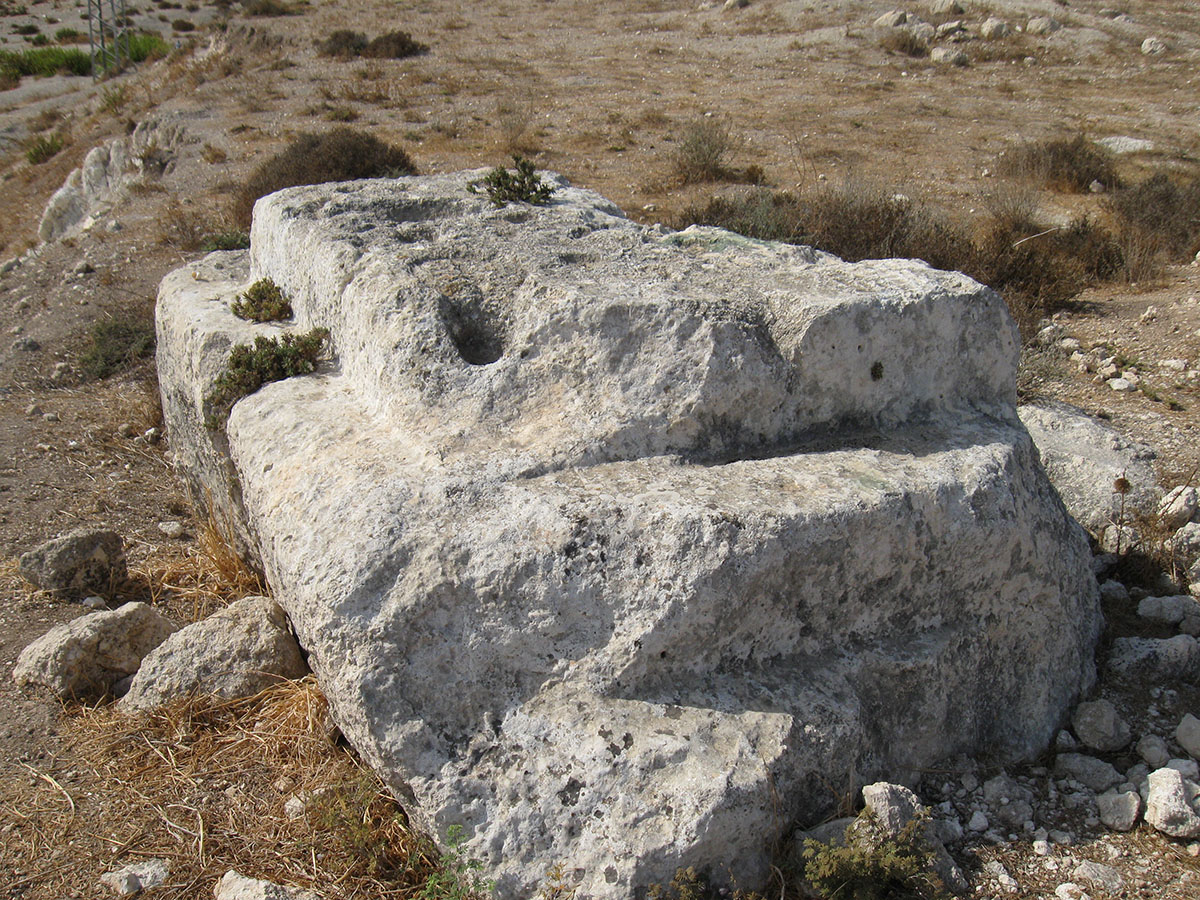
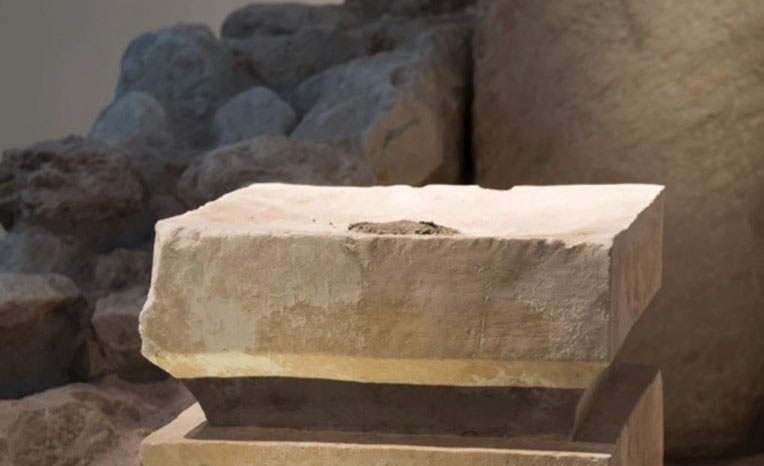
Altar of Joshua on mount Ebal


Khirbet Qeiyafa, Elahs fortification

Want to use the photos?
If not noted Praisegate owns the photo and you are free to use it in powerpoint presentations, publications, webpages etc. If you want you can note that the photo came from Praisegate, but it is not needed - to share the Gospel and the name of Jesus is far more important than our name! For comercial usage please contact the photographer.